




Our Patent Work Portfolio
Explore real examples of invention patents, utility models, and design patents we've successfully filed with CNIPA for innovators worldwide.
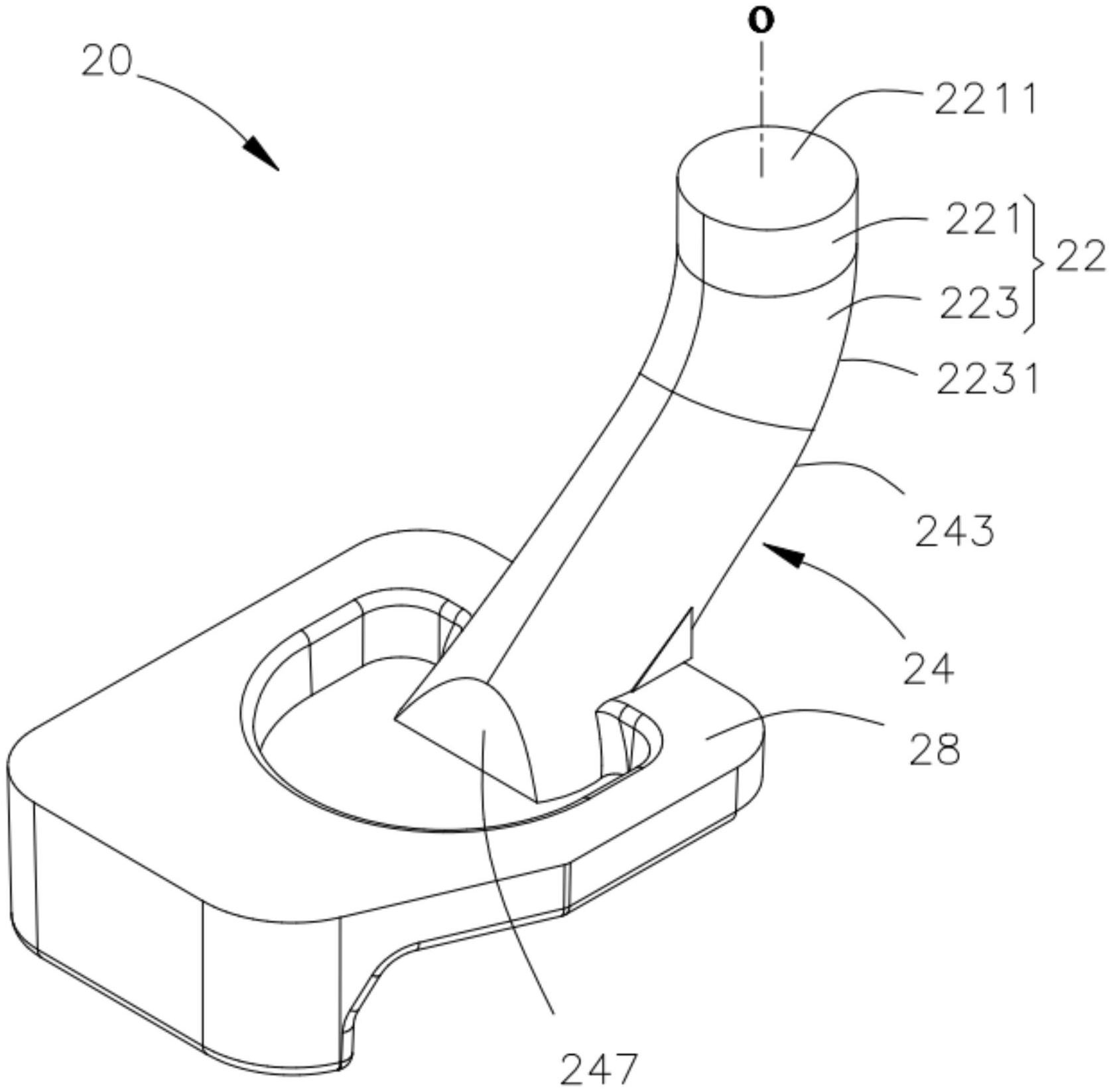
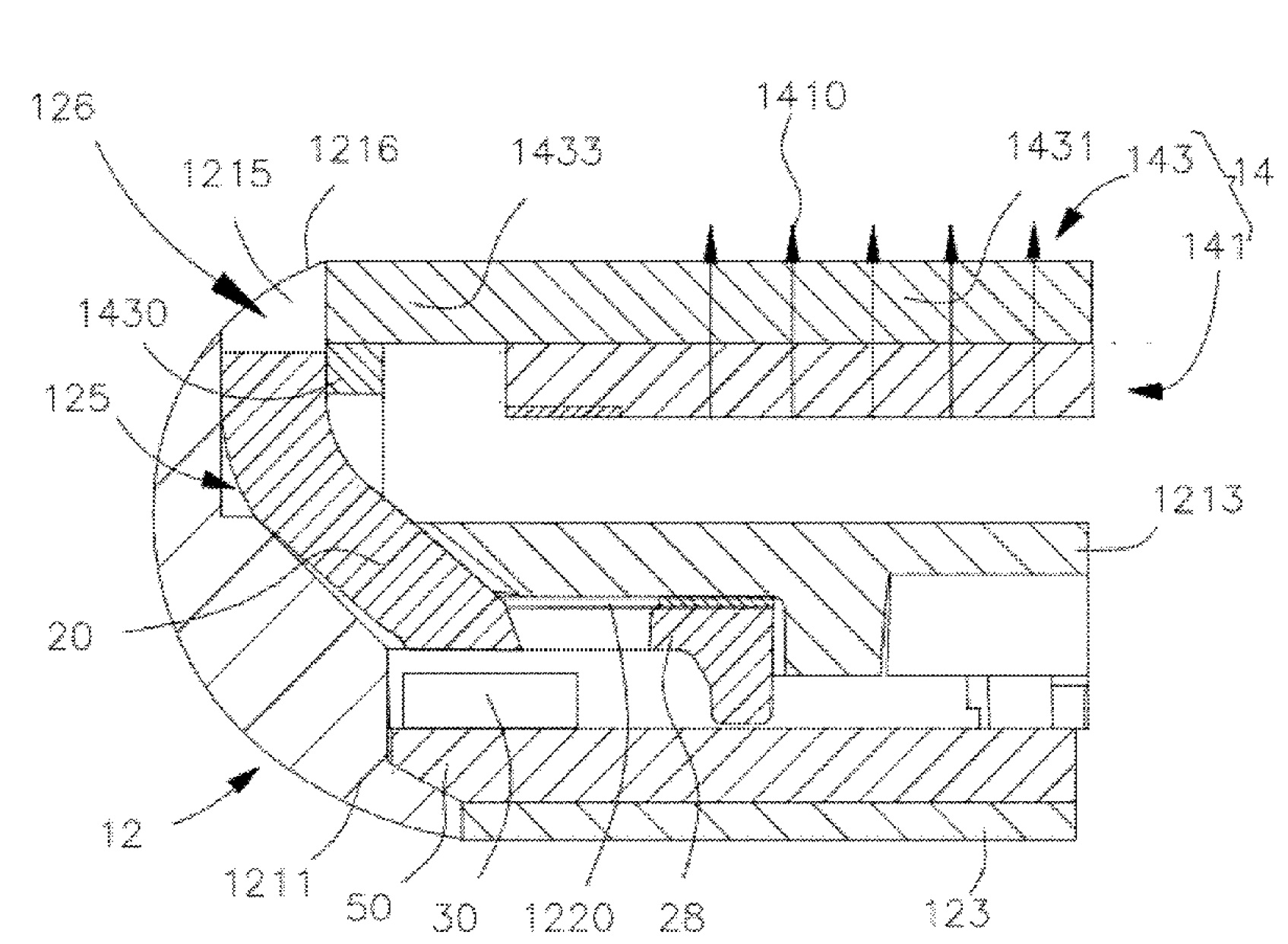
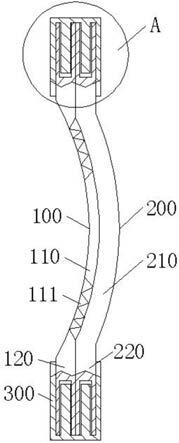
This invention provides a light guide and an electronic device. The light guide introduces ambient light into the light sensor inside the housing through an incident surface, a reflective curved surface, and an emitting surface. This design avoids embedding the sensor directly into the screen edge, thereby reducing the border width of the display and significantly improving the screen-to-body ratio for a full-screen design.
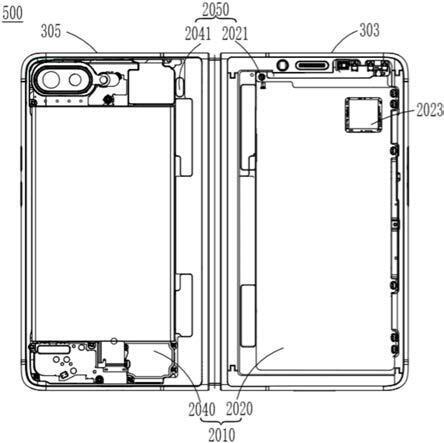
This invention discloses a flexible screen mobile terminal using wireless transmission. The main and secondary bodies transmit signals via wireless methods (Bluetooth, NFC, RFID), eliminating the lifespan limitations of flexible printed circuits. The flexible screen is movably connected to the bodies, preventing stretching or compression damage during folding, balancing large-screen display with portability.
This application provides a foldable electronic device and a screen control method. The device uses a detection module (sensors and signal sources) to obtain the rotation angle between two housings in real-time. The processing module automatically switches display brightness modes (e.g., screen on/off) based on the detected angle, improving user interaction convenience and energy efficiency in various folded states.
This application relates to an electronic atomization device and its control method. By setting test electrodes on the heating element's atomizing surface, the circuit monitors electrical parameter signal changes. The system accurately identifies local dry burning due to significant signal differences when the substrate is absent, allowing for power adjustment. This method is more sensitive than traditional temperature sensors, enhancing safety and taste.
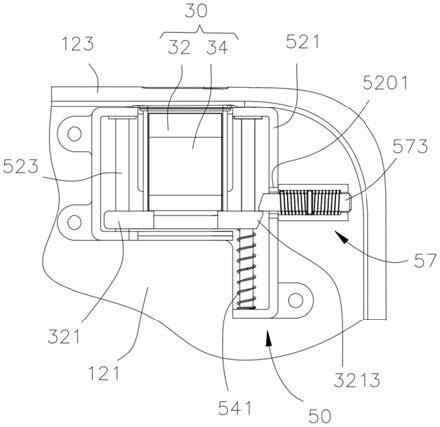
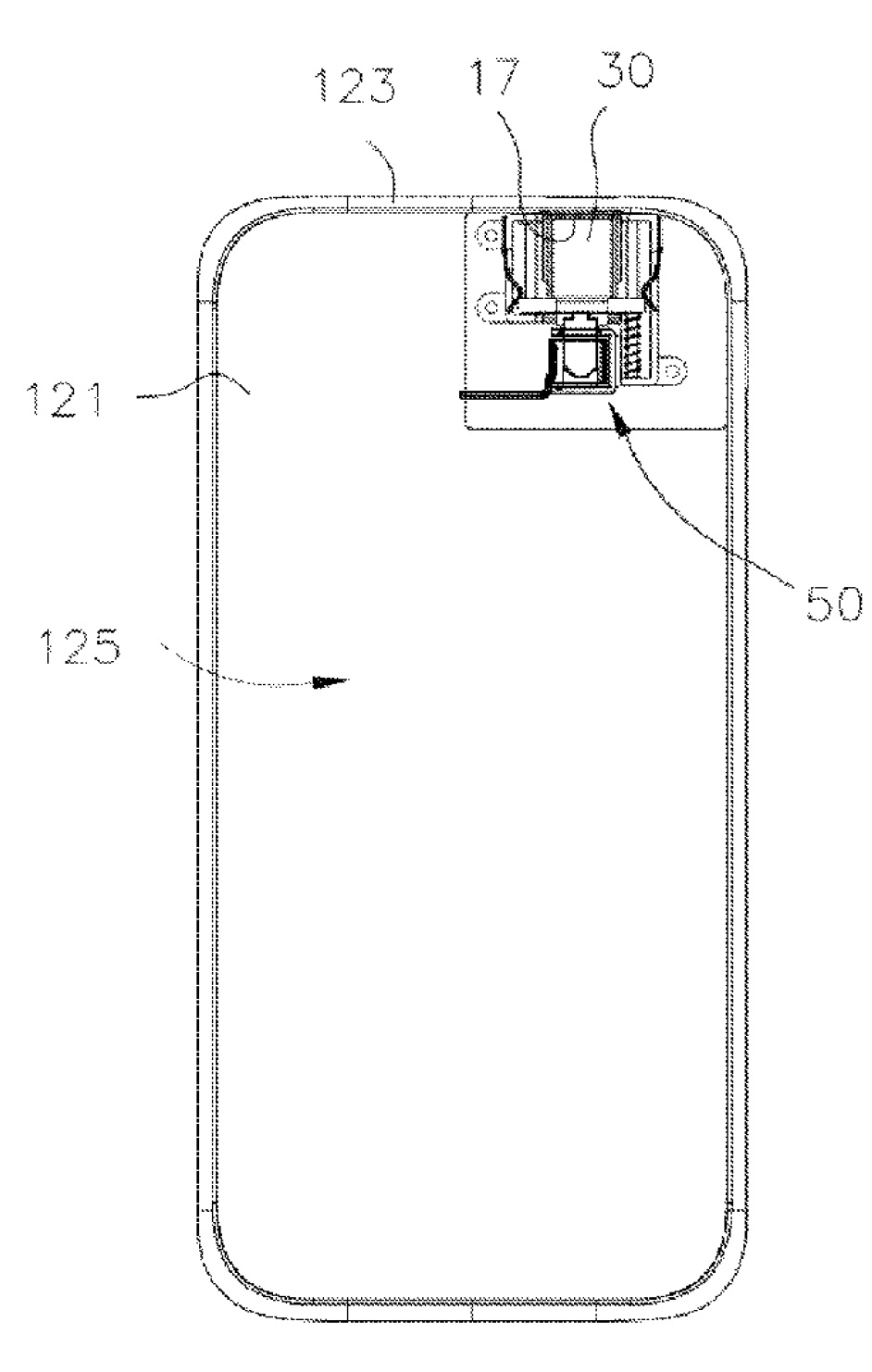
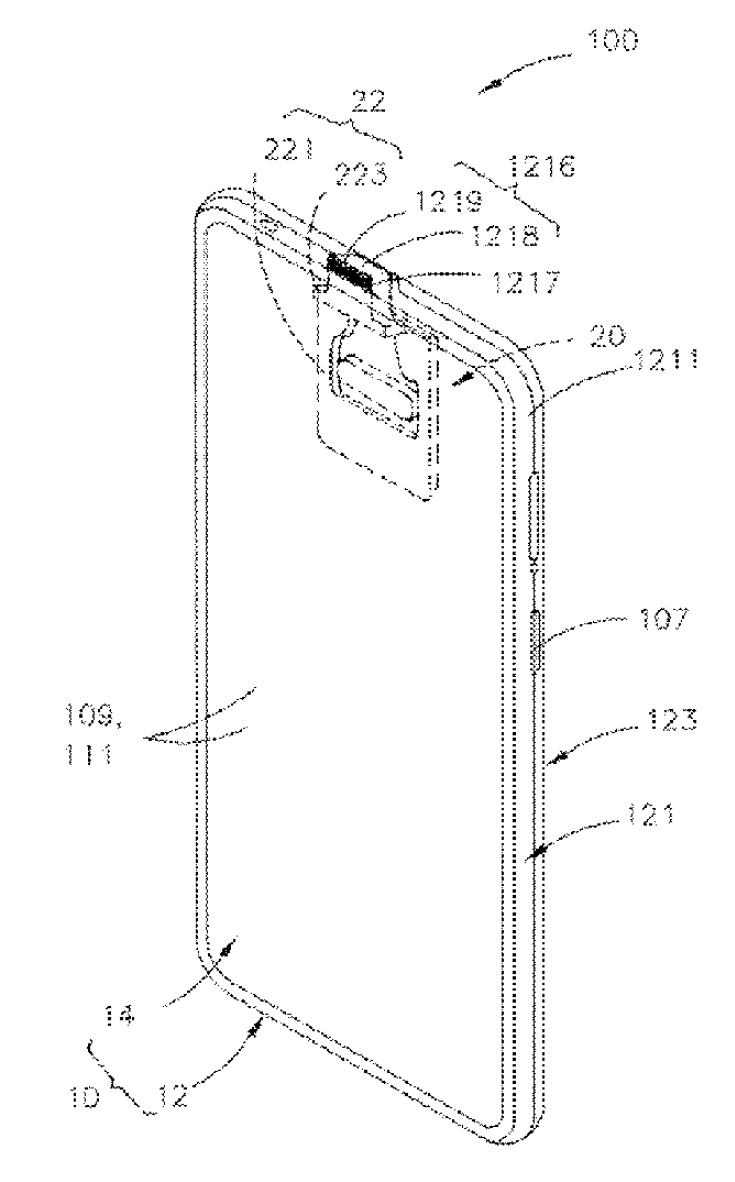
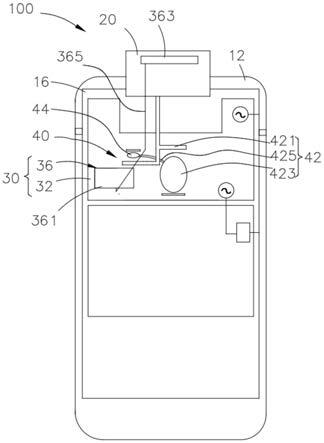
This application provides an electronic device with a retractable functional module. It uses a drive component made of shape memory material and a temperature sensor to automatically control the locking mechanism. Functional modules (like cameras) can extend or retract as needed, eliminating the need for screen openings. This compact layout frees up display space, further increasing the device's screen-to-body ratio.
This application relates to an electronic device and an installation assembly for its functional modules. Using a drive assembly and locking spring inside the shell, modules like cameras can extend or retract through frame holes. This maintains the aesthetic integrity of the shell and avoids display area cutouts, releasing screen space to allow for a larger visual field without increasing the overall device size.
This application discloses an electronic device and a middle frame structure. The receiver is located inside the device and transmits sound through a specialized sound guide and border holes. This configuration means the sound hole position is no longer restricted by the receiver's physical location and does not occupy front display space, providing more room for the display panel to achieve a true full-screen effect.
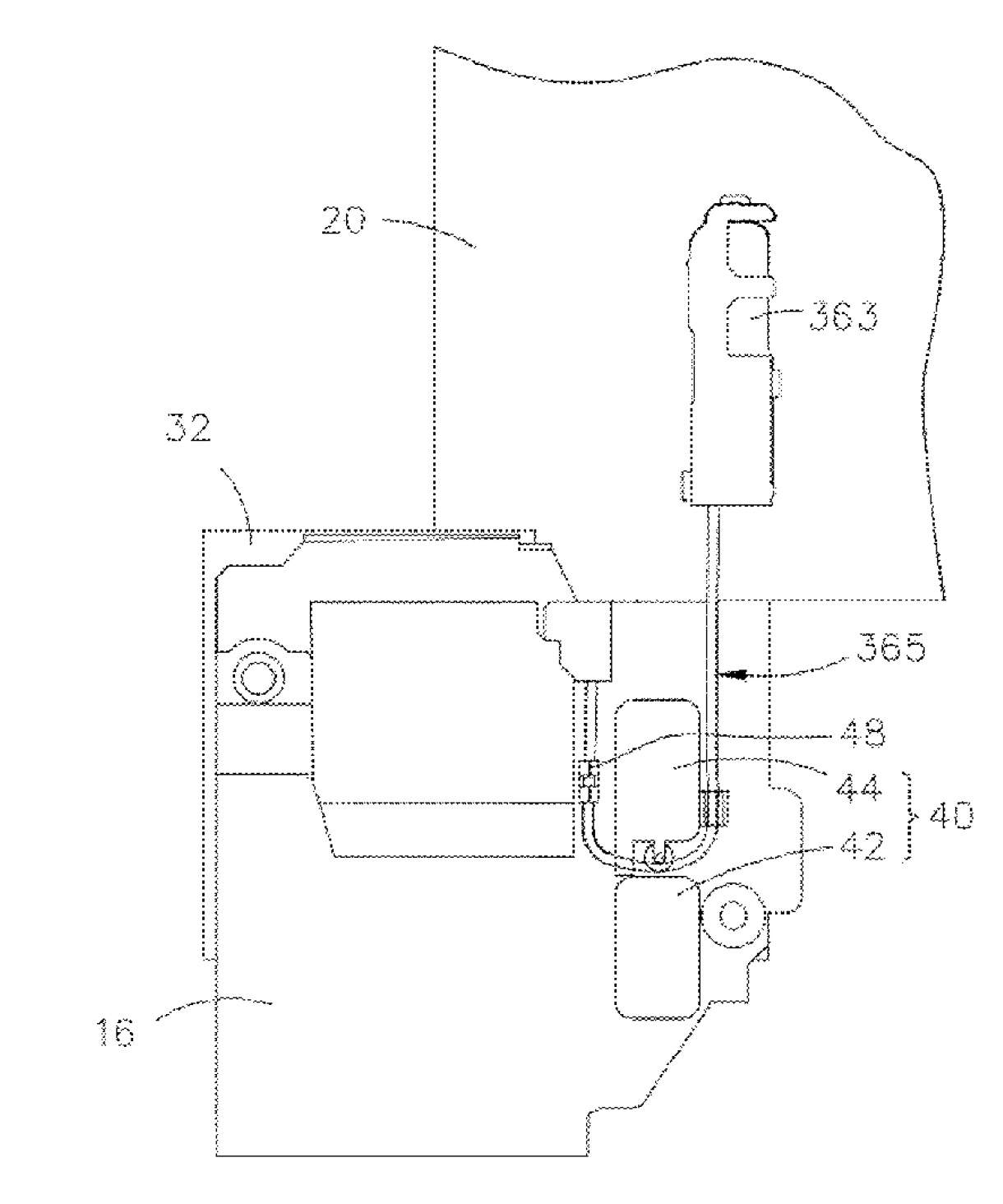
This application provides an electronic device and an antenna control method. It includes a slidable retractable module and an inflation mechanism. When the module slides in, it triggers an airbag to expand, guiding the RF cable to retract along a set path to prevent entanglement. The system dynamically adjusts the module position based on performance indicators to ensure sufficient antenna clearance and stable signal quality.
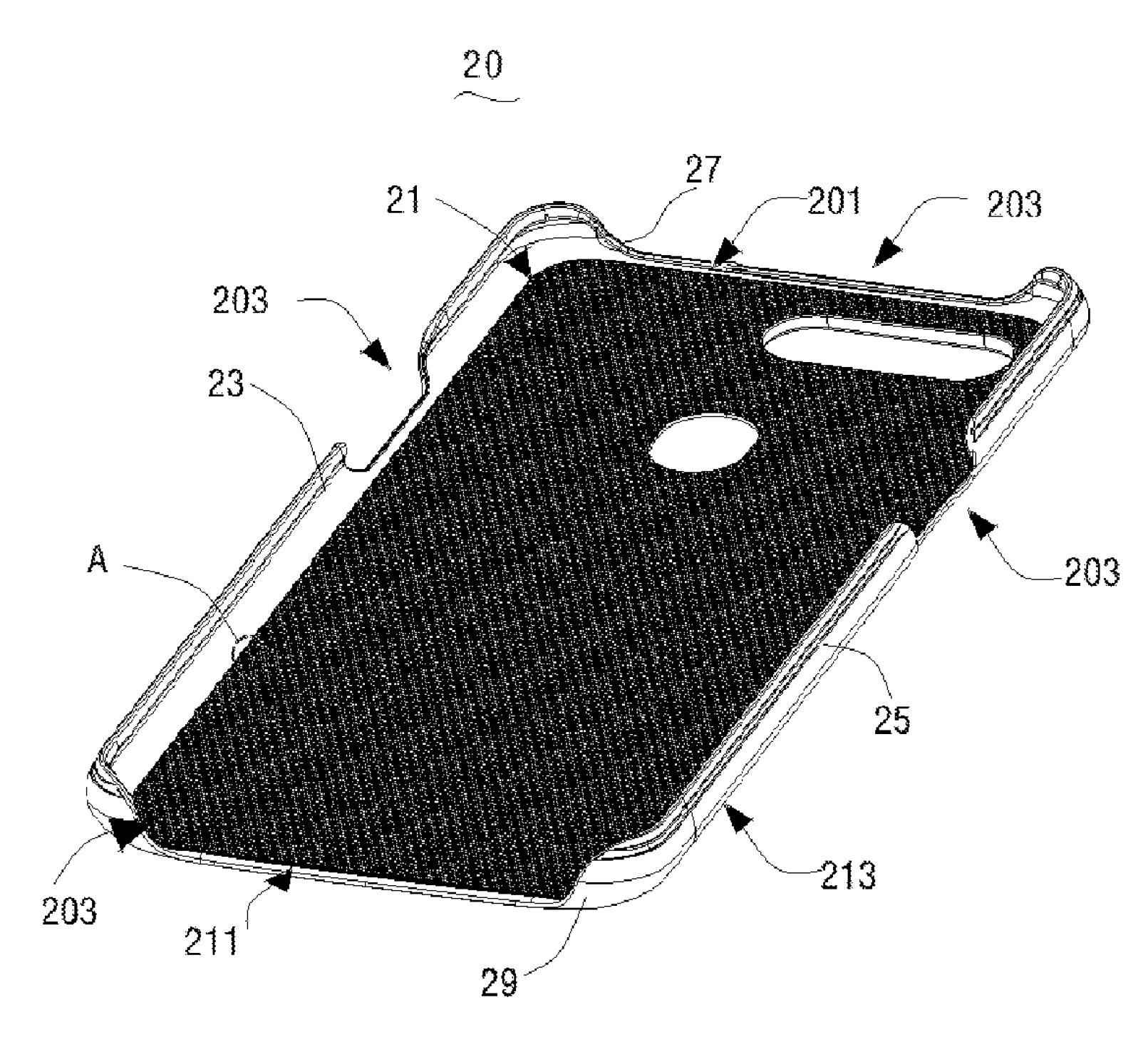
This application relates to a protective case for electronic devices featuring multiple reflective protruding structures with different normal directions. These structures reflect light from various angles to create a sparkling effect. Besides aesthetics, this design effectively weakens the visibility of surface scratches and blurs the device's functional features, enhancing the overall appearance and integrity of the device.
This application provides an electronic device where the light sensor is placed inside the housing. External ambient light is introduced and guided to the sensor via a light guide pillar embedded in the frame slot. This layout avoids occupying the screen edge, successfully reducing the display's black borders and frame width, which is a key hardware improvement for achieving ultra-narrow borders and full-screen designs.
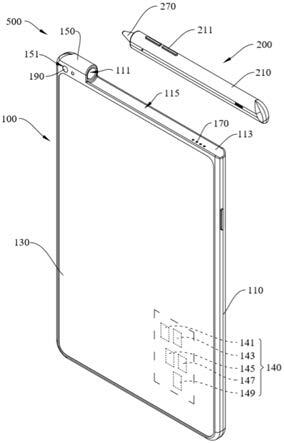
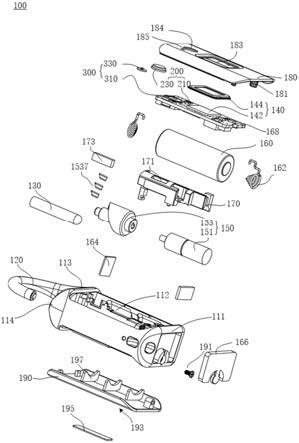
This application provides a stylus and an electronic device where a detachable secondary component is stored in a housing hole. The component includes a stylus tip, acoustic devices (receiver/microphone), and a communication module. Users can detach this component from the main device to perform calls, effectively reducing the burden of holding large-screen devices for long durations. It also features charging contacts that connect when the component is docked, ensuring the stylus remains powered while stored within the primary electronic device.
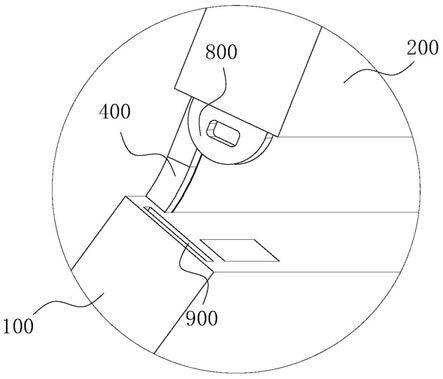
This patent describes an electronic device with a movable component (like a camera) that carries an antenna radiator. To maintain high radiation efficiency, the device adjusts the position of the movable component to ensure a large antenna clearance area. A key feature is a magnetic guiding mechanism that controls the movement of the RF cable as the component retracts. This prevents the cable from tangling or sustaining bending damage during frequent extensions and retractions, ensuring stable connection quality while supporting high screen-to-body ratio designs.
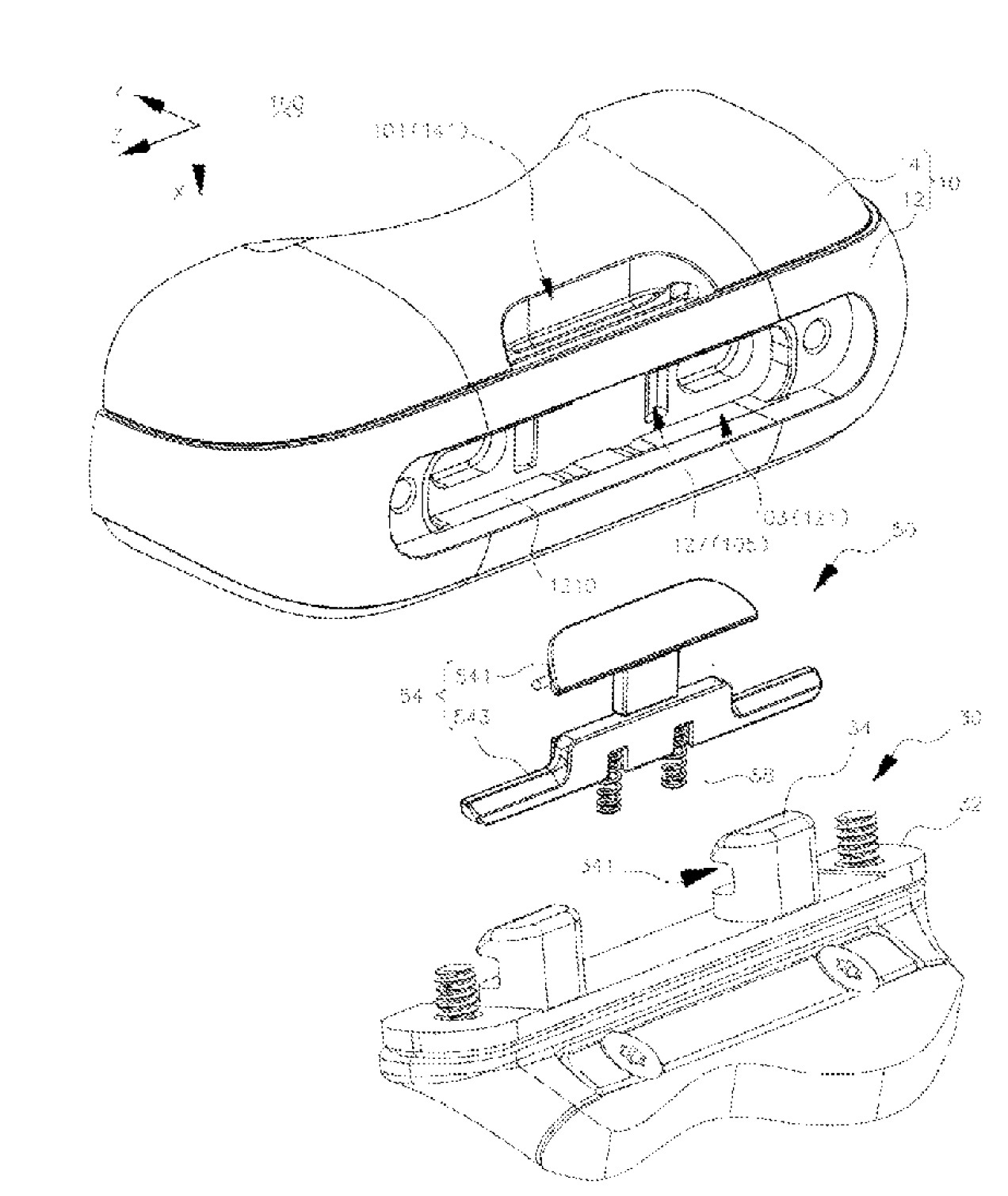
The application introduces a locking structure designed for easy assembly and disassembly of components, particularly suitable for smartwatch straps. It comprises a structural body with mounting sections, a pressing element, and an engageable connecting element. Unlike traditional spring bars that require specialized tools, this system allows users to attach or detach components by simply pressing the integrated element. The design uses independent positioning for the pressing and connecting parts, reducing manufacturing tolerance issues and providing a more robust, user-friendly interface.
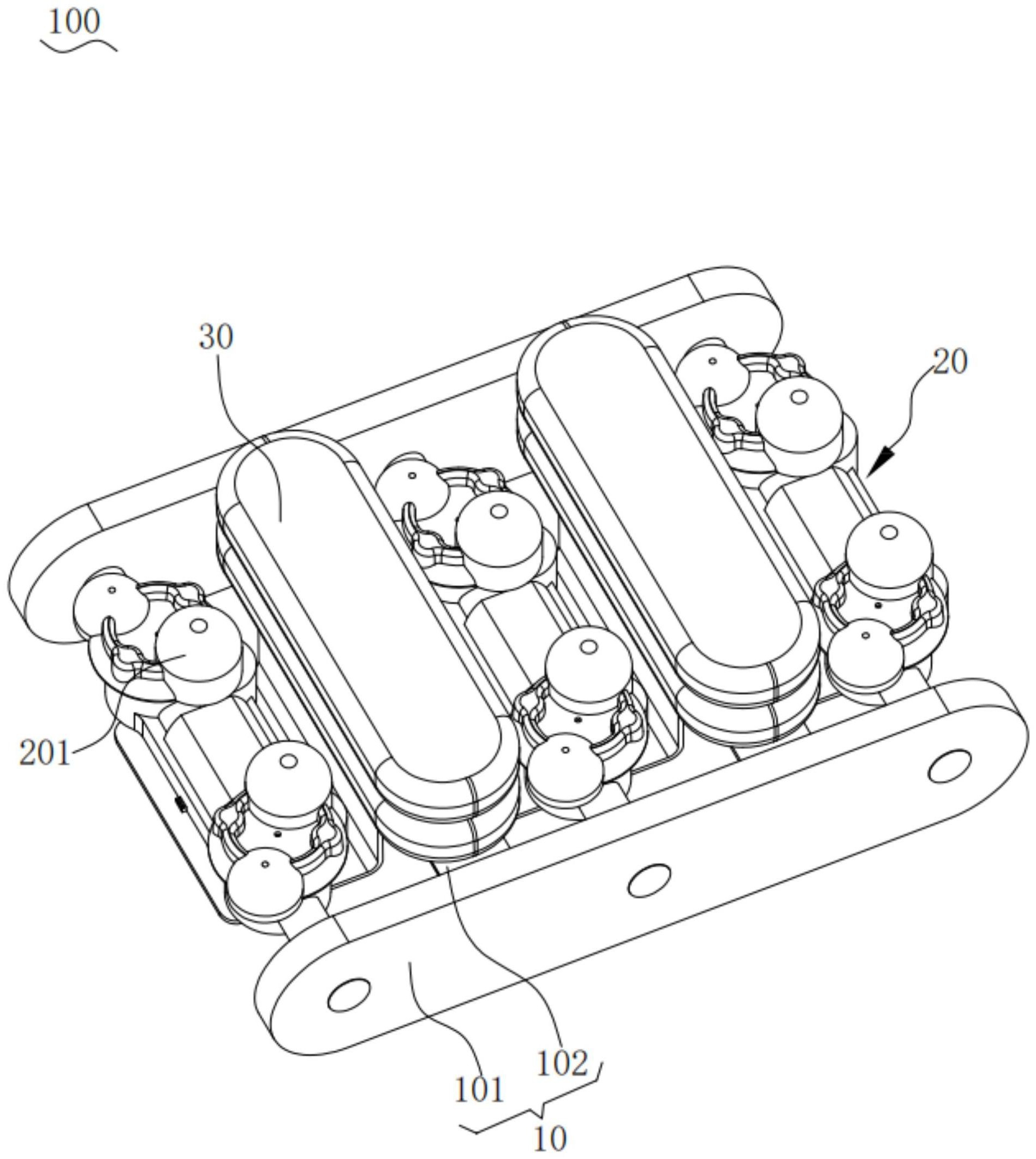
This application relates to a massage device for sofas that solves the problem of protrusion discomfort when the massage mechanism is idle. It incorporates inflatable airbags positioned between adjacent massage units. During a session, the airbags deflate to a retracted state below the massage surface for optimal contact. When finished, the airbags inflate to a supporting state, protruding above the massage units to provide a smooth surface for the user's back. This dual-state system enhances both massage effectiveness and regular sitting comfort, allowing the sofa to function as a standard seat.
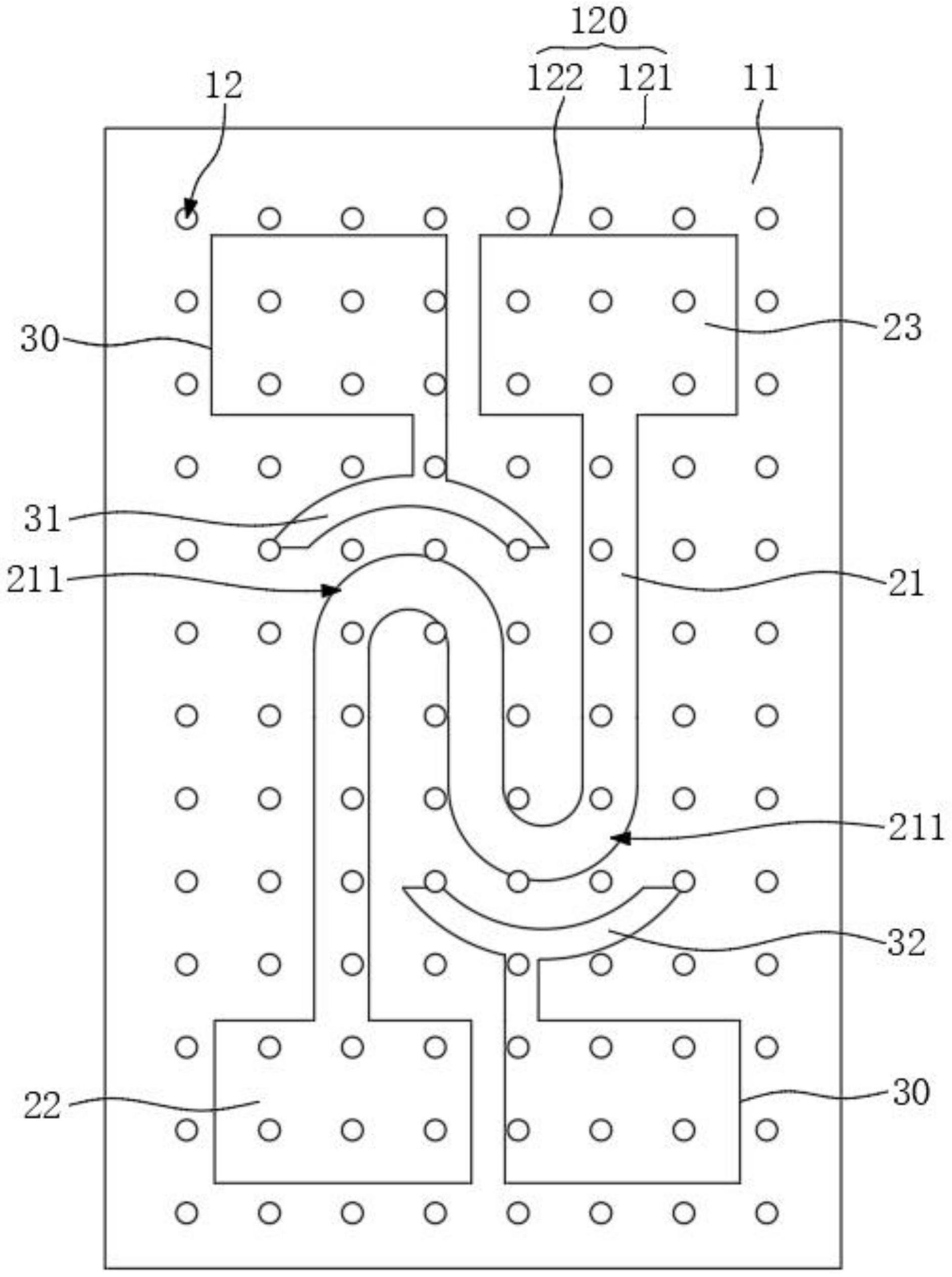
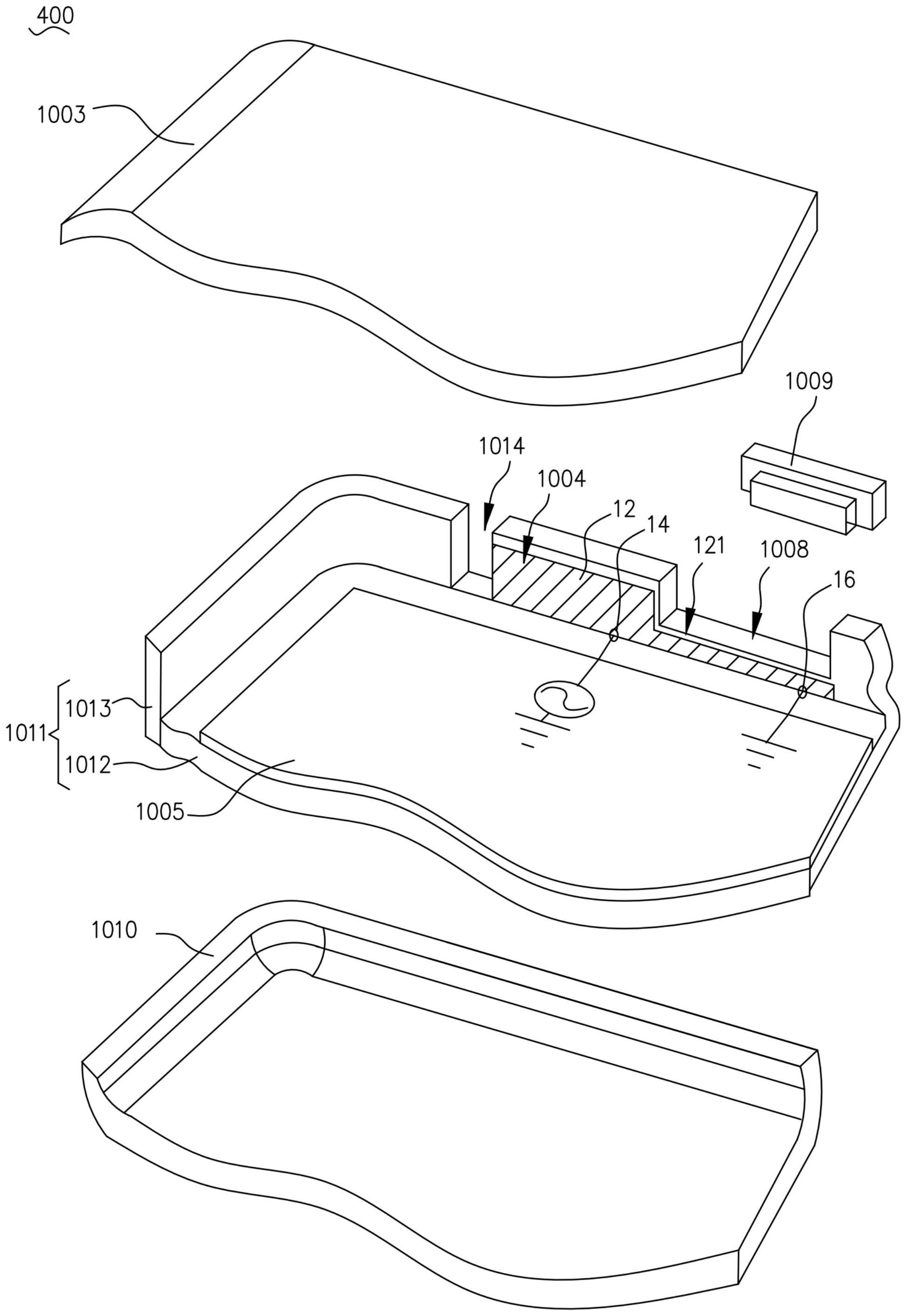
This invention focuses on reducing the Specific Absorption Rate (SAR) of antennas in electronic devices without compromising Total Radiated Power (TRP). The antenna radiator, integrated into the device's frame, features a specific vacancy area or cutout. This gap is strategically placed within the high-current region of the radiator, typically on the side facing the user. By altering the electric field distribution, it shifts the SAR hotspots away from the user, effectively lowering radiation absorption while maintaining stable wireless communication performance for narrow-bezel mobile devices.
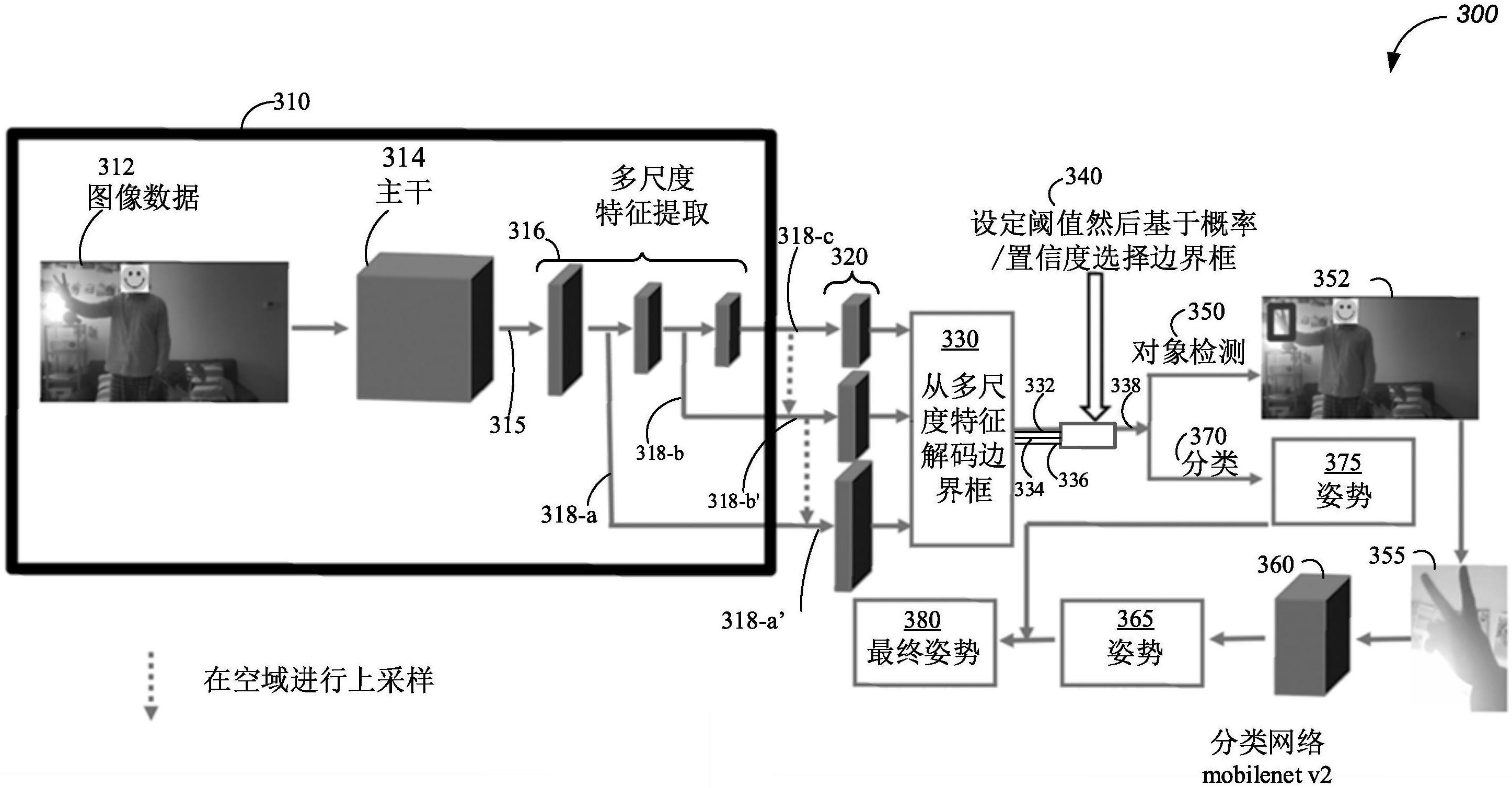
This patent describes a method for detecting hand gestures from distances exceeding 4 meters using lightweight deep learning models. The system processes image data to generate a sequence of feature maps with decreasing resolutions, which are then combined into a comprehensive feature map. By utilizing a lightweight backbone and pyramid detection structure, the device achieves high accuracy with extremely low computational complexity (under 3.5 GFLOPS). This enables real-time gesture control on resource-constrained IoT devices and smartphones without requiring high-resolution inputs or powerful remote servers.
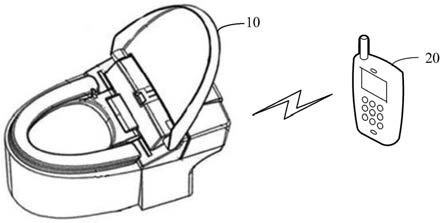
This application provides a power management system for smart toilets to reduce energy consumption from features like seat heating. The toilet establishes a wireless connection with a user device to track its location. Based on distance thresholds, the toilet switches between power-saving and pre-heating modes. If the user is far away, the device enters energy-saving mode; as they approach, it begins pre-heating. Advanced versions use historical usage data to predict active periods, ensuring the toilet is ready when needed while minimizing idle power waste.
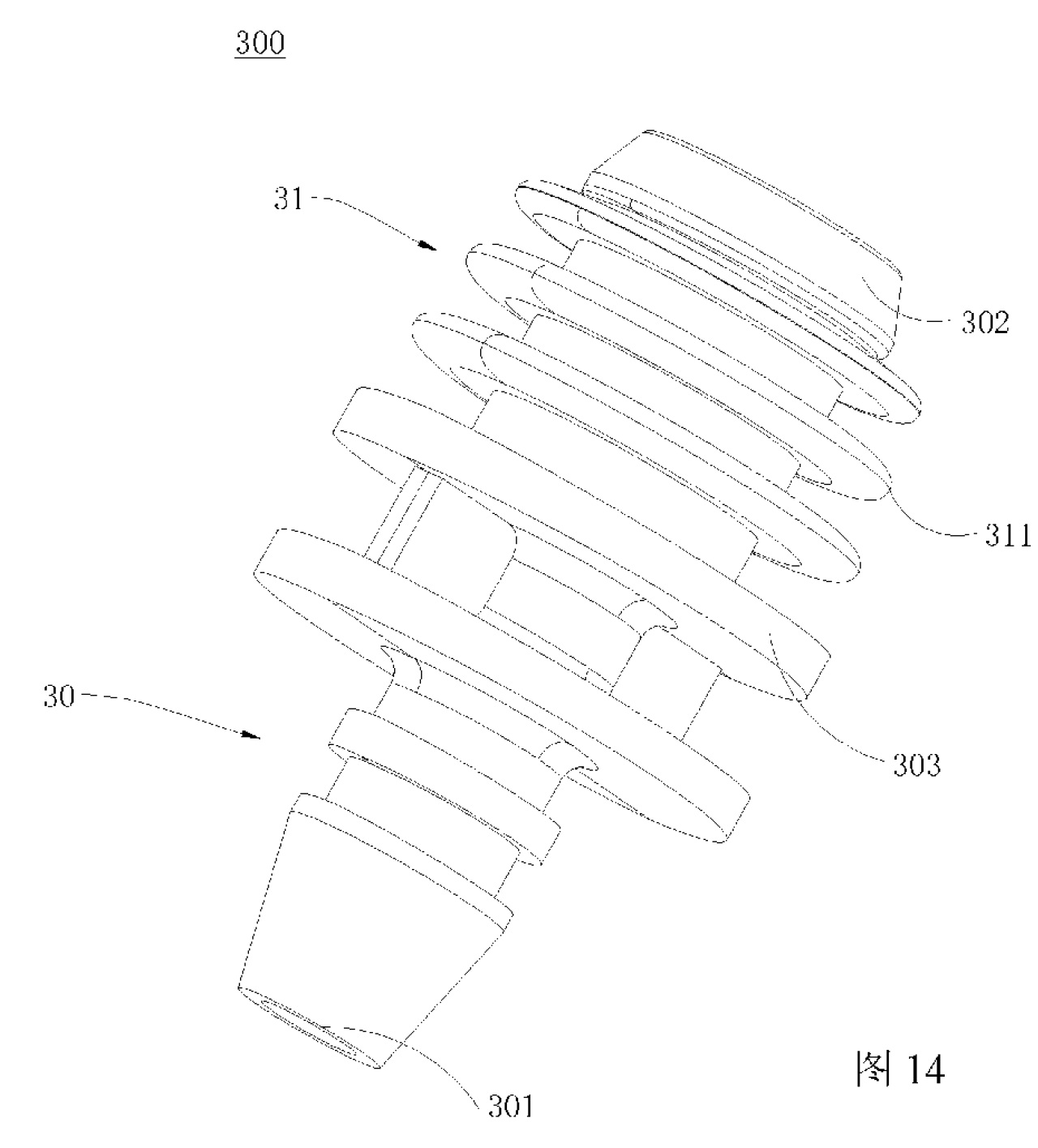
This patent introduces a specialized blocking plug for the liquid containers of intelligent cleaning robots. The plug features a shaft-like body with an internal through-hole and a hierarchical sealing structure consisting of multiple stacked annular sheets. This design provides superior sealing against the water tank's outlet compared to traditional plugs, effectively preventing leaks while remaining easy to install. The structure allows liquid to flow precisely through the center hole while the external rings create a robust, redundant seal against the tank wall.
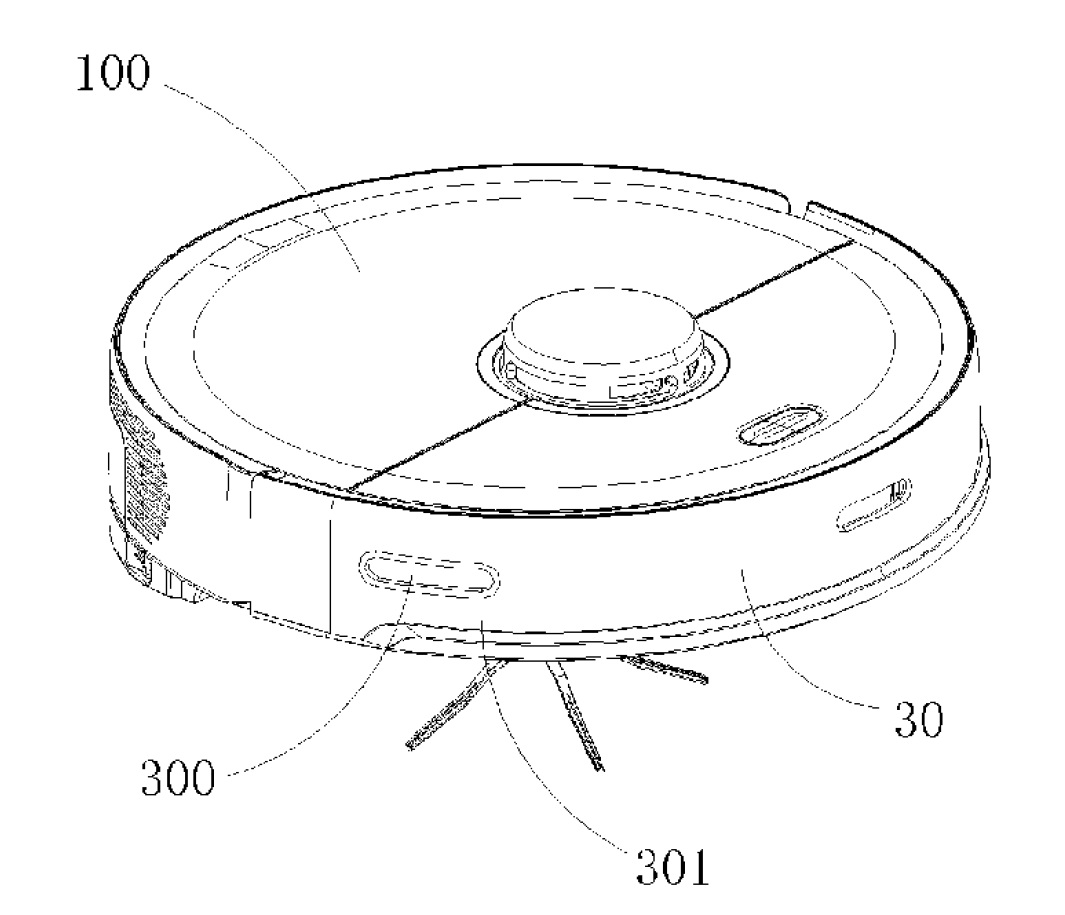
This application focuses on a sealing structure for the infrared wall-following modules of smart cleaning robots. It comprises a housing and a lens with an arced panel and a connecting plate that extends toward the module. The lens covers the housing surface facing the robot's protective shell, creating a tight seal that prevents dust and debris from entering and damaging the sensitive infrared sensors. This improves the long-term reliability of the robot's navigation system by protecting the optical components from the harsh, dusty environments they operate in.
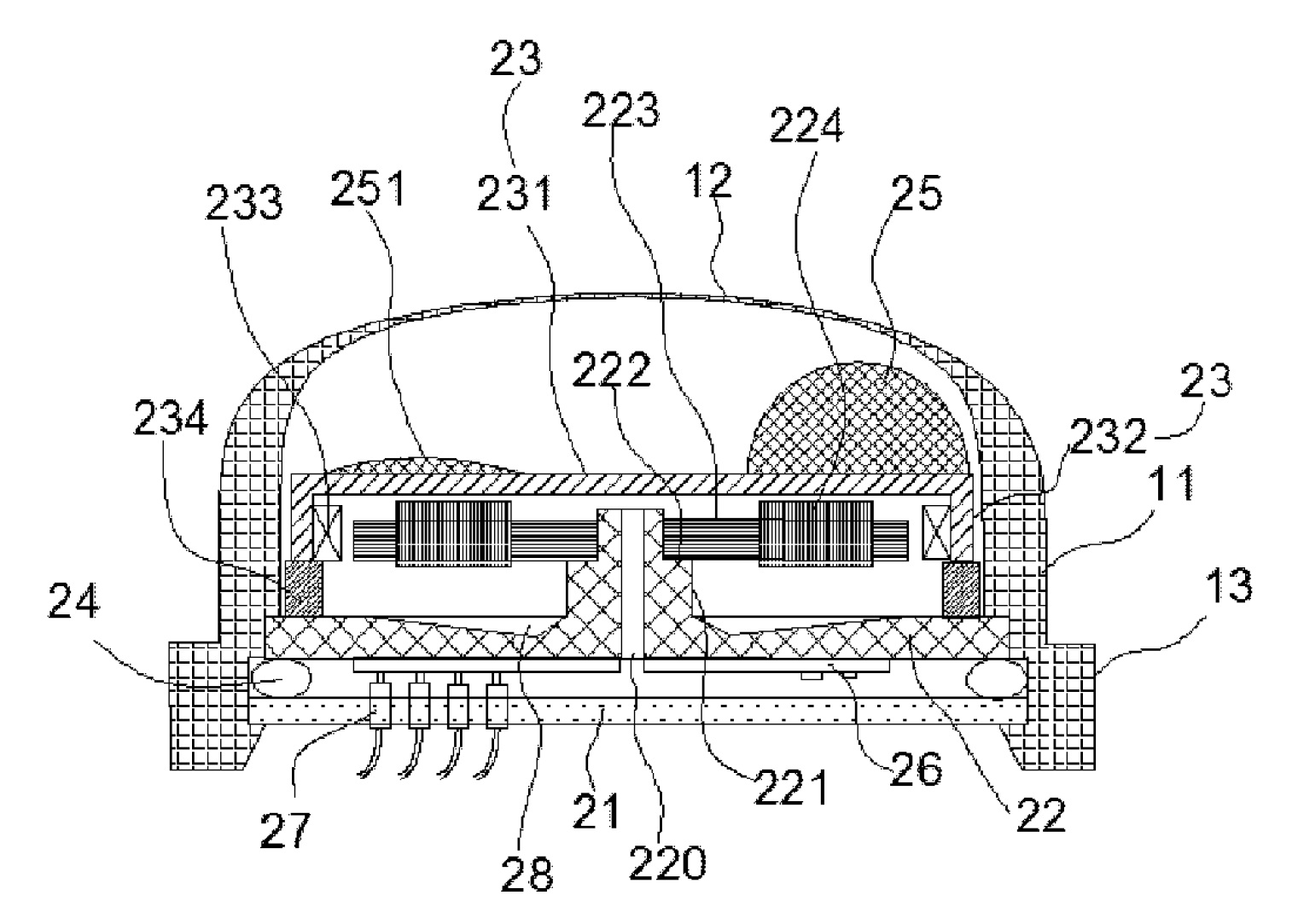
This invention relates to a specialized motor for foot massage mats. It features a soft rubber housing with a downward-opening cavity containing a motor assembly. The assembly uses a rotating disc with a massage projection and a balance block arranged symmetrically to minimize horizontal vibration and noise. A key innovation is the shaftless design, which achieves high torque while maintaining a high waterproof rating. This allows the motor to operate quietly and safely within foot spas or massage mats without disturbing the user or risking electrical failure from water ingress.
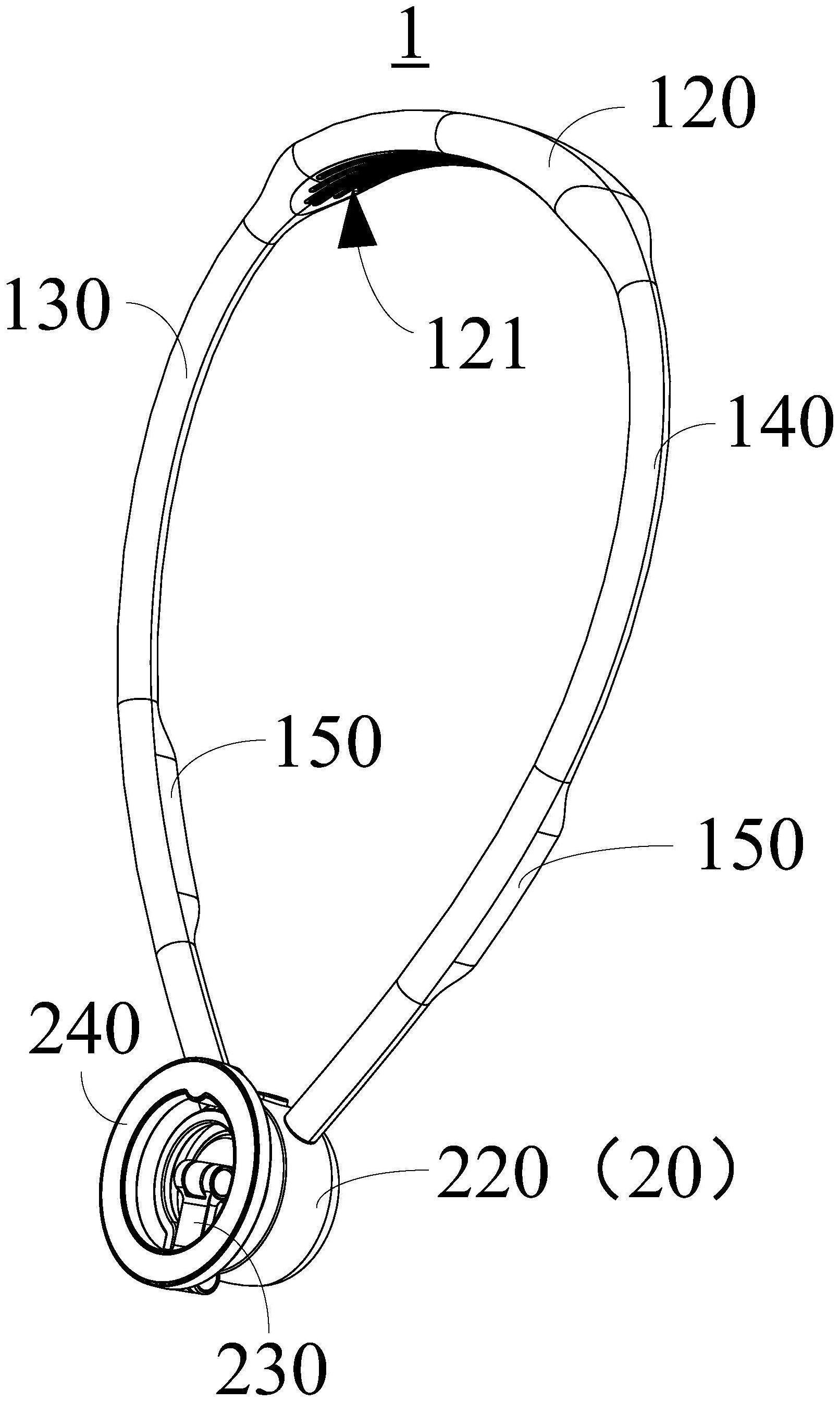
This utility model provides an electronic device accessory comprising a wearable component and a support component. The wearable component is designed to be hung around the user's neck and features a primary connection part. The support component, used for holding electronic devices, has a secondary connection part that detachably connects to the first. This hands-free design allows users to support devices like smartphones or tablets comfortably while wearing the assembly around the neck, providing significant flexibility for viewing content or using devices on the go without manual holding.
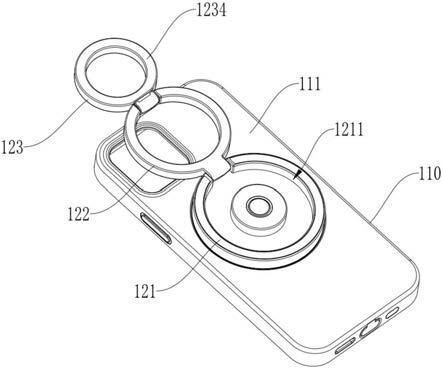
This utility model provides a protective case for electronic devices that integrates a bracket assembly and a fill light module. The bracket assembly includes a fixed base, a connecting piece, and a support member to facilitate various viewing angles. The fill light component is designed to assist with photography or video calls by providing additional illumination. By combining protection, a multi-functional stand, and lighting into a single accessory, it enhances the utility of mobile devices for content creation and video conferencing while ensuring the device remains protected from physical damage.
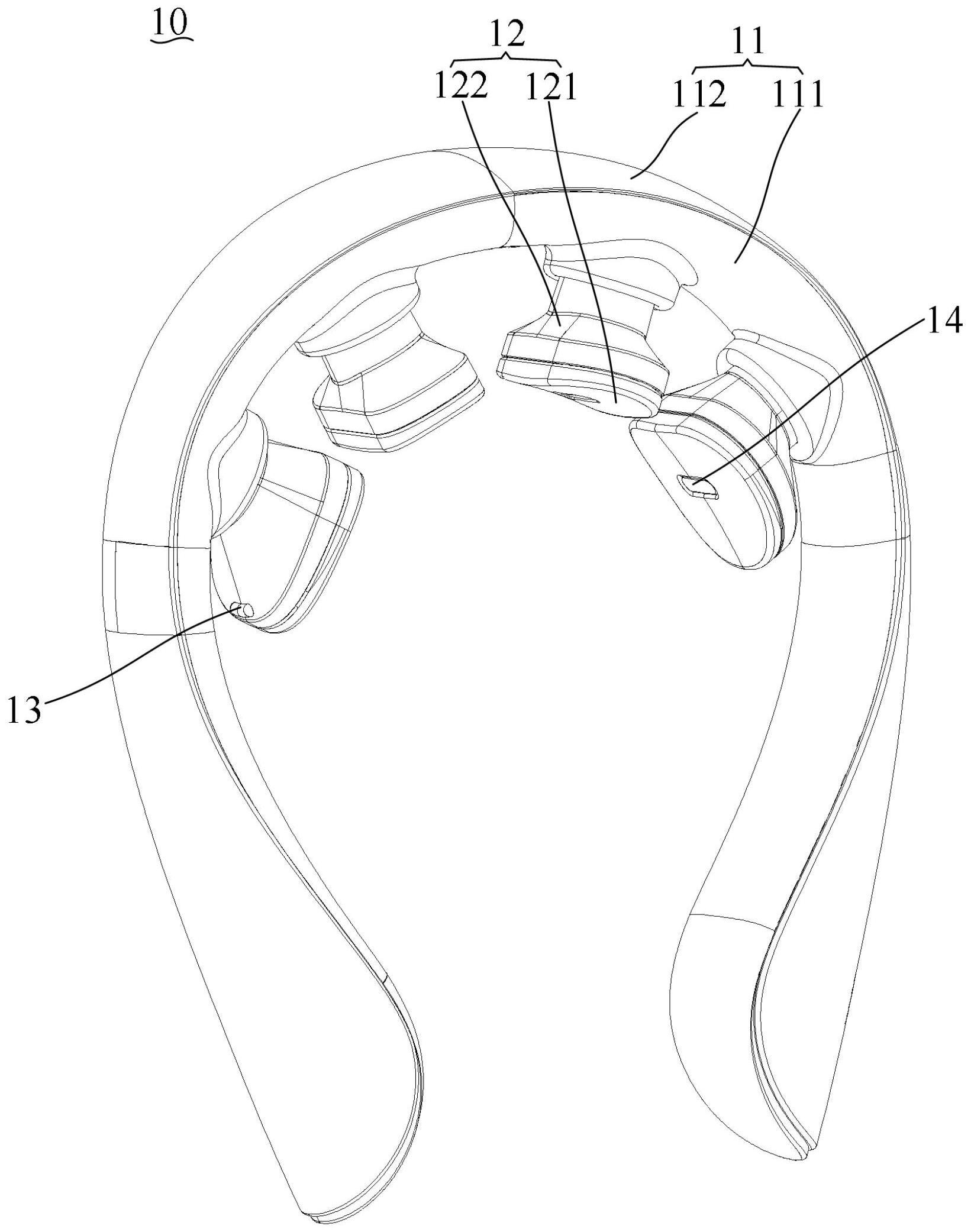
This utility model relates to a neck massage instrument designed to reduce operating noise. The device includes a wearable bracket and massage heads directed toward the neck. A key innovation is the inclusion of a flexible portion (soft part) either on the side of the massage head facing the bracket or on the bracket itself. This flexible interface effectively buffers the impact between moving massage heads and the stationary bracket during operation, preventing mechanical collisions that cause noise. This design significantly improves user comfort by providing a quieter and more pleasant massage experience.
This application describes an air pump mechanism and a corresponding massage device. The pump structure includes a housing with separate buffer and installation chambers, air valves, and a speed-reducing component (muffler). The speed-reducing component lowers the velocity of the airflow through the exhaust port, effectively dampening the noise generated by the pump without requiring a bulky external buffer box. This results in a more compact, easy-to-assemble massage device (such as a neck or waist massager) that operates quietly while providing effective pneumatic massage through adjustable air pressure control.
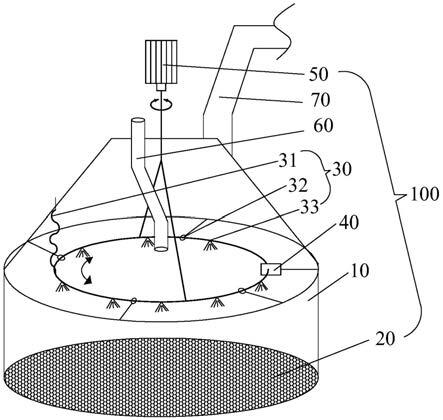
This utility model introduces an automatic swing-type spray cleaning device for industrial rotary screens. It consists of a rotary screen, spray nozzles, a motor-driven rotating assembly, and limit switches. The nozzles are arranged on an inlet hose above the screen mesh. The limit switches trigger the motor to reverse the hose's rotation when a specific angle is reached, creating a reciprocating swing motion. This ensures uniform water spraying across the entire screen area, preventing mesh clogging, reducing manual cleaning labor, and extending the service life of the rotary screen in high-volume processing environments.
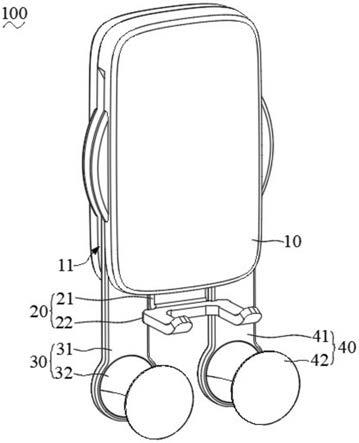
This application provides a versatile stand for electronic devices. The stand features a main body and a retractable support arm equipped with clamping arms on opposite sides. The support arm includes a telescopic connection part and a support part, allowing for flexible height and distance adjustments. The clamping arms utilize a specific structural design to securely hold various device sizes. This telescopic and adjustable mechanism provides users with ergonomic viewing angles and stable support, making it suitable for hands-free use of smartphones or tablets in various environments such as office desks or bedsides.
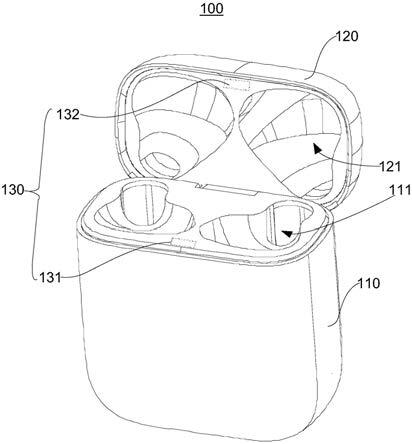
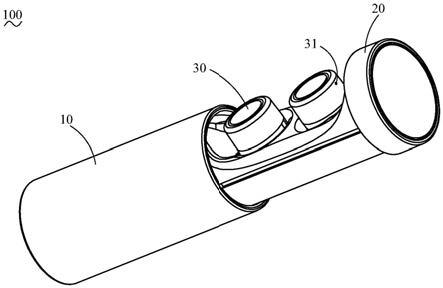
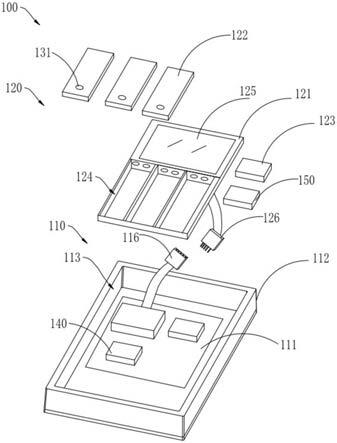
This utility model relates to a device box and a wireless headset assembly featuring a sensor-driven control system. The box includes a body, a lid, and a sensor assembly comprising a metal induction piece and a capacitive sensor. By detecting the open/closed state of the lid and whether the headsets are docked, the system can automatically disconnect the wireless communication module or enter a low-power mode. This intelligent sensing helps reduce power consumption, extends battery life, and provides a seamless user experience by managing device connectivity based on physical interaction with the storage case.
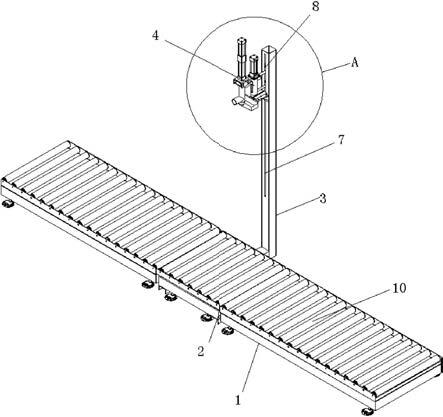
This utility model provides an automatic weighing-type filling machine. It includes a container conveyor line, a weighing sensor for real-time weight detection, and a discharge control device mounted on a support frame. The control device features an adjustable lifting mechanism for the filling head and a flow control valve. The system monitors the weight of the liquid as it is filled and automatically stops the flow once the target weight is reached. This design ensures high filling accuracy, reduces product waste, and automates the liquid packaging process for enhanced industrial manufacturing efficiency.
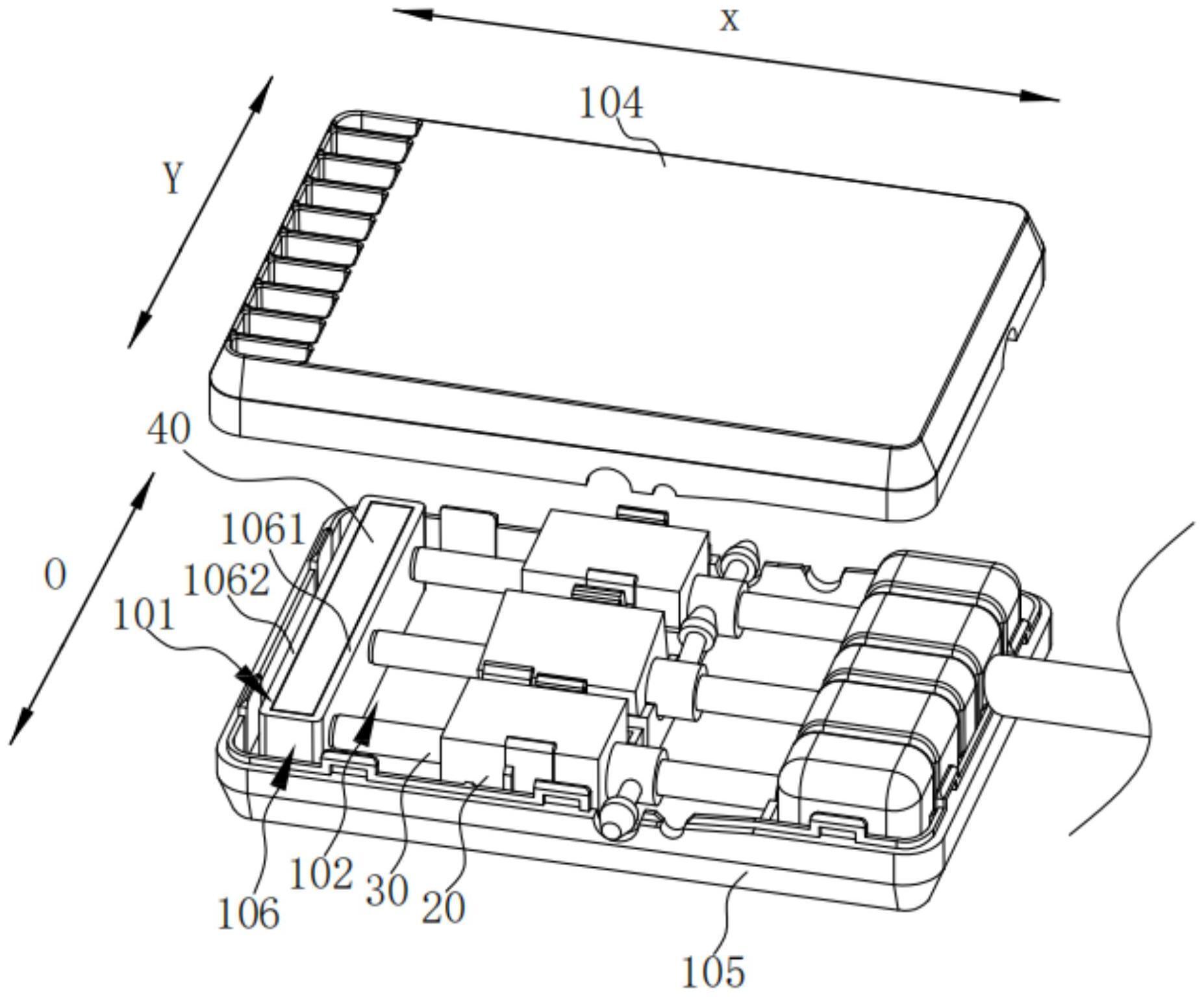
This utility model discloses a wireless headset charging case with an integrated mosquito repellent function. The case features a sliding inner box and an outer shell. A key feature is the inclusion of LED mosquito repellent beads on the internal PCB, which emit a specific light spectrum that mosquitoes find unpleasant. The case includes a manual switch to control the light, preventing unnecessary battery drain. By combining portable charging for headsets with a functional pest-repellent light, this multi-functional accessory is particularly useful for outdoor activities while providing a compact and portable storage solution.
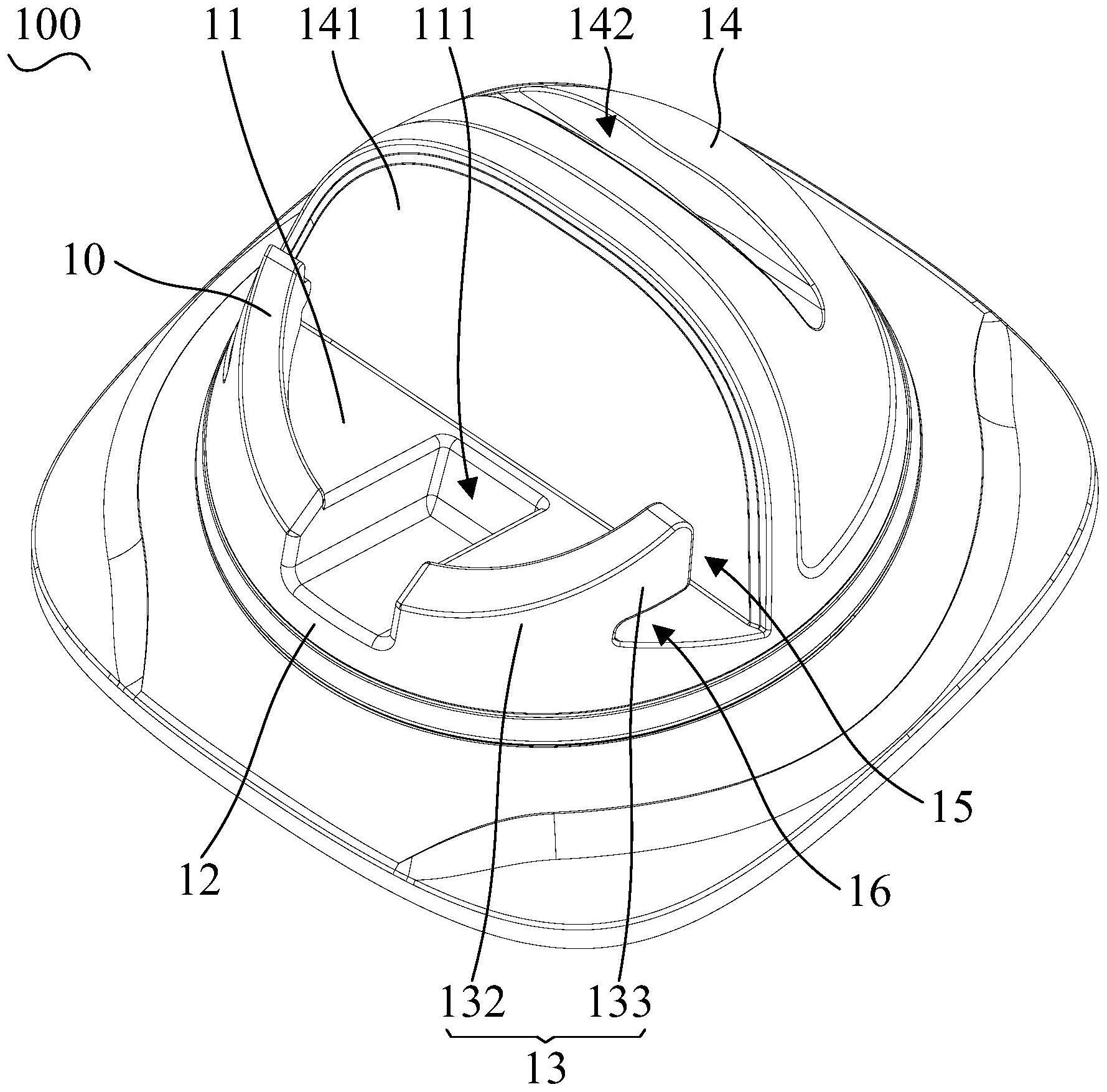
This application provides an electronic device stand designed to simplify cable management. The stand features a base with a recessed positioning part intended to house device connection interfaces (such as charging or data cables). This allows cables to be neatly organized and pre-positioned so that when a device is placed on the stand, it can be quickly connected without fumbling for loose wires. The design reduces installation difficulty, improves assembly efficiency in limited spaces, and enhances the user experience by providing a clean, organized workstation or charging area for mobile devices.
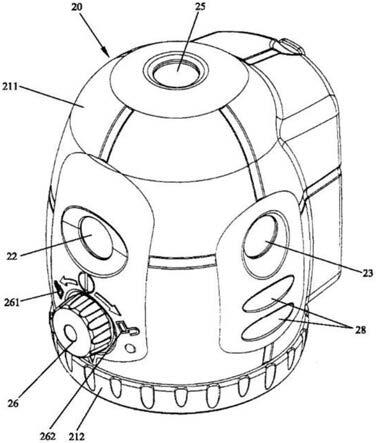
This utility model discloses a portable intelligent leveler for interior decoration featuring a split design with a base and a main body. The split structure allows components to be carried separately to reduce weight and enables the base to be shared across different leveler models. The base includes a liquid cavity with a leveling bubble, while the main body houses four laser units using aspherical lenses and conical reflectors. This configuration projects four simultaneous laser beams in different directions to establish horizontal lines, significantly improving efficiency and precision for large-scale construction sites.
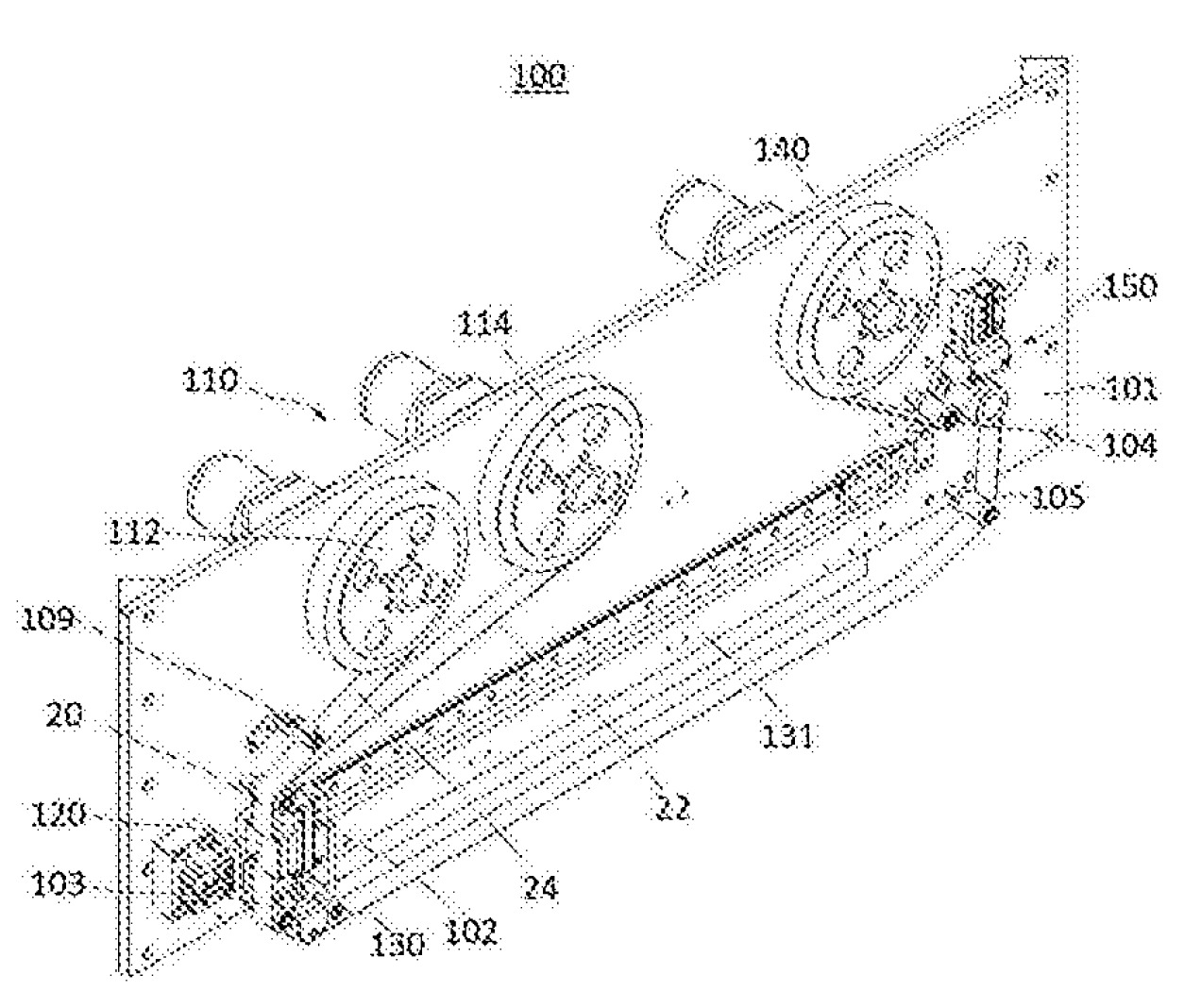
This utility model relates to an automatic film splicing device and machine designed for optical films such as polarizers and compensation films. The system includes a tape supply, a specialized cutting unit for semi-cutting adhesive tape without damaging the carrier, and a pressing unit that applies tape while separating the carrier film. By automating the splicing process, the machine eliminates the need for manual multi-person operations and manual trimming. This significantly reduces labor costs and increases efficiency in high-precision film processing lines.
This utility model provides an anti-drop glass cover for smartwatches using a dual-layer glass structure and a U-shaped mechanical connector. The covers feature integrated curved and flat sections with a polished transition segment designed to disperse pressure and enhance impact resistance. The connector uses positioning pillars that lock into slots on the glass's flat sections, creating a stable bond without additional bulky hardware. This design solves the installation stability and fragility issues common in 3D curved glass while saving critical internal space in wearable devices.
This utility model introduces a built-in smart gateway designed to be integrated directly into home fixtures like distribution boxes or switches. It consolidates a power module, network coordinator (ZigBee/ZWave/WiFi), and control logic into a compact form that matches standard electrical components. This eliminates the need for external power adapters and dedicated outlets, preventing the clutter of traditional standalone gateways. By embedding the gateway into existing infrastructure, it provides a cost-effective, space-saving solution for establishing reliable smart home networks and internet data exchange.
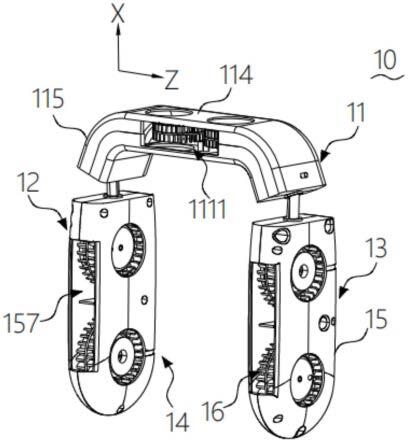
This application presents a portable neck fan designed for concentrated, high-volume airflow. The device consists of a U-shaped wearable body with supporting arms that each house a dual-fan assembly. A key innovation is the use of two centrifugal fans in each arm that rotate in opposite directions, separated by a dividing plate to prevent air interference. This counter-rotating setup concentrates air toward the outlet, achieving a significantly higher wind volume than standard single-fan designs. The ergonomic structure ensures efficient cooling for the user's neck and head.
This utility model provides a modular smart switch with a safe, low-voltage control interface. The switch features a power base that converts household high-voltage AC to safe low-voltage DC (under 36V) for the control panel. The panel houses individual, detachable button or touch units that trigger commands for smart appliances. This architecture prevents electric shock during use and allows for the easy replacement of single faulty modules without discarding the entire switch. Integrated LEDs provide immediate visual feedback for the operational status of each connected device.
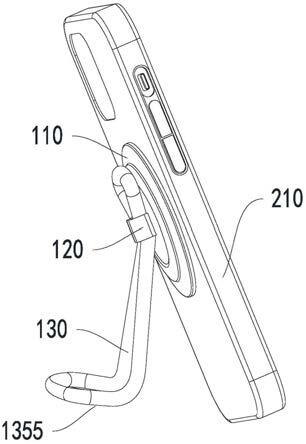
This application relates to a portable stand for electronic products featuring a memory-capable flexible support. The stand uses a base that attaches to devices via magnetic or adhesive components, such as nano-stickers. A rotatable central part holds a gooseneck-style metal hose that can be bent into any angle or shape. This allows users to position devices like smartphones or tablets at optimal viewing angles on various surfaces. Its compact, foldable design ensures high portability while providing stable, customizable support for outdoor or mobile use.
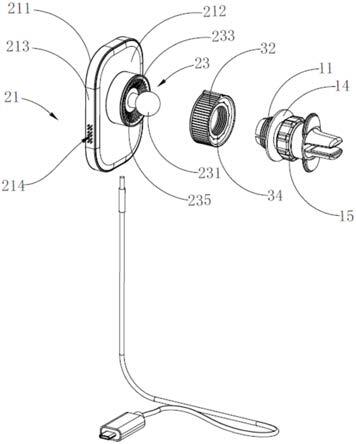
This utility model introduces a multi-functional electronic device stand with a modular, quick-release design. It features a fixed base (adaptable for car vents or desks) and a detachable mounting bracket equipped with magnetic alignment and an integrated wireless charging coil. The bracket connects to the base via a ball joint and threaded collar, allowing for 360-degree rotation and secure angle locking. This system allows the same bracket to be swapped between different mounting environments easily, enhancing versatility while providing efficient, cable-free charging for mobile devices.
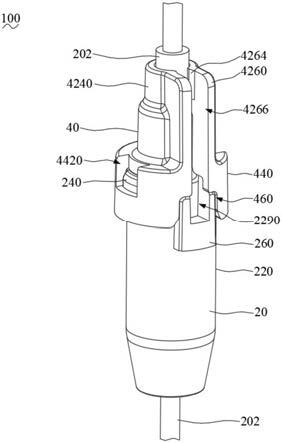
This application provides a fixing component for power cord connectors to ensure operational stability in appliances like smart toilets. The component includes a base with integrated snaps and a locking cover that forms a protective housing around mated connectors. This mechanical lock prevents cords from loosening or disconnecting due to accidental pulling or vibrations. By securing the power interface, the device ensures the continuous operation of critical features like seat heating and water purification, significantly improving the reliability and safety of high-end home appliances.
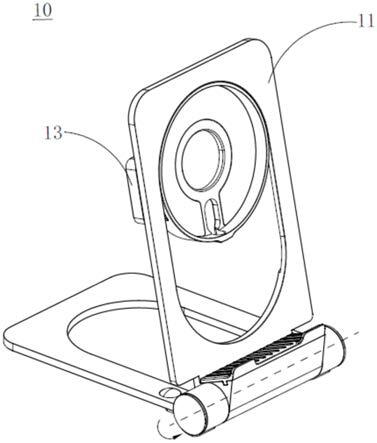
This utility model discloses an electronic device stand and wireless charging assembly with integrated vertical adjustability. The stand features a support plate with a longitudinal track and a slidably mounted charger holder. Using magnetic pairing between the charger mount and the plate, users can move the charger to perfectly align with the induction coils of various smartphone models in both portrait and landscape modes. This adjustable alignment maximizes energy transfer efficiency and ensures a stable charging platform that accommodates different device sizes and user viewing preferences.
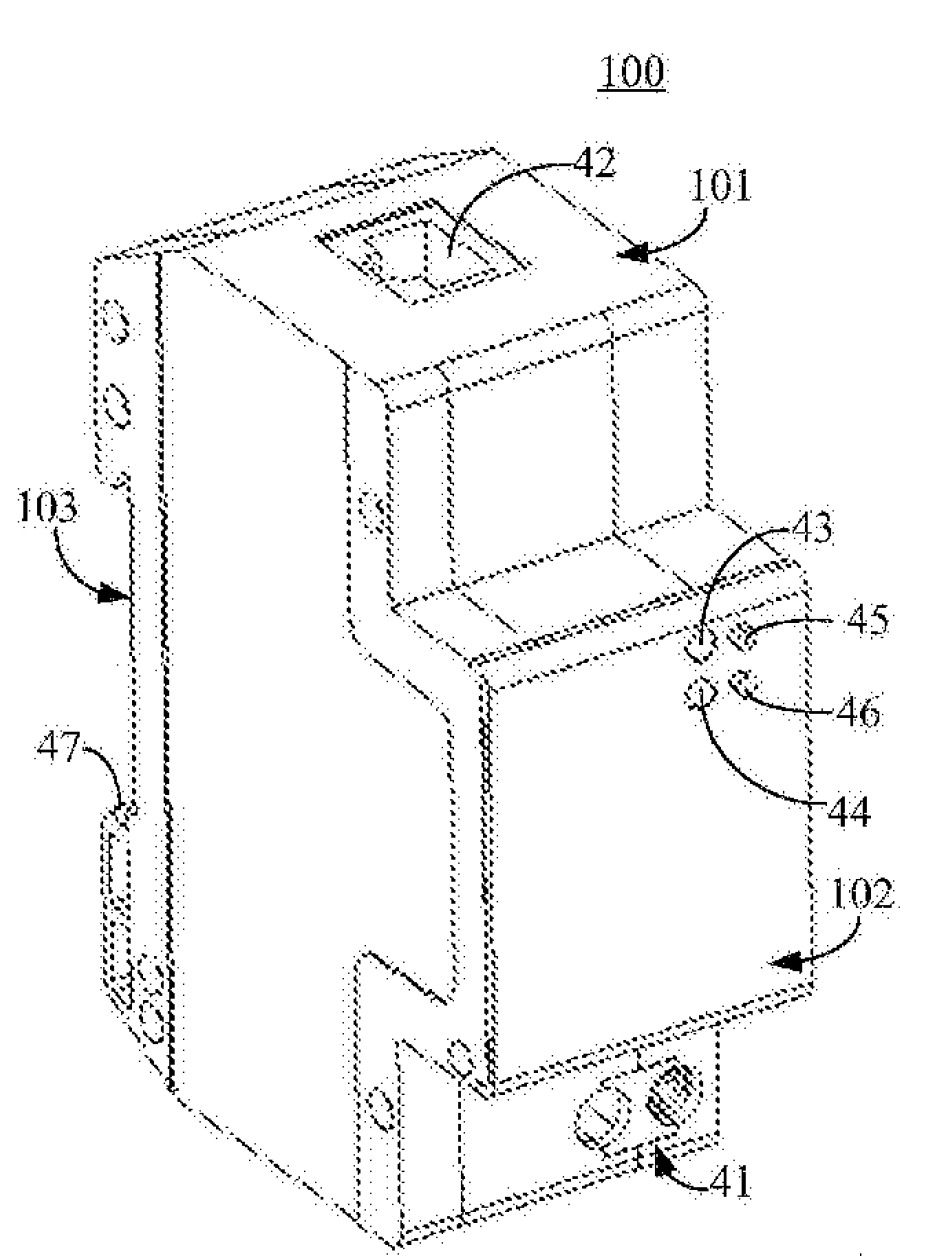
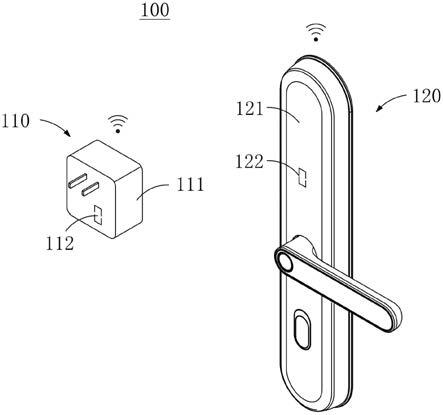
This utility model provides a door lock device and smart home control system designed for emergency rescue. It consists of a separate temperature sensor and a smart door lock. The sensor detects ambient temperature and wirelessly transmits signals to the lock's controller. When the temperature reaches a predefined threshold, such as during a fire, the controller automatically triggers the lock to open. This design ensures rapid evacuation for occupants and quick access for rescuers without damaging the lock, effectively saving critical time during emergencies.
This utility model introduces a portable smart fingerprint padlock featuring a lock body, shackle, and fingerprint module. It utilizes a unique magnetic drive assembly, including a motor and spiral shaft with magnets, to move the locking bolt between open and closed states based on fingerprint signals. This mechanism provides reliable operation even under vibration or gravity. The device is made from durable materials like SUS304 stainless steel and zinc alloy. It includes LED indicators and an audio alarm for tampering, making it suitable for securing bags, laptops, and gates.
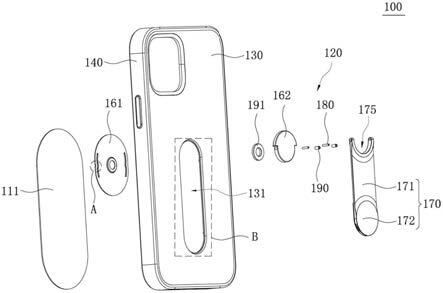
This utility model provides an electronic device protective case integrated with a versatile bracket assembly. The case features a sliding slot on the backplate, allowing a ferromagnetic base to move along its length. A supporting frame is rotatably connected to this base, enabling both sliding and pivoting movements to adjust support angles for portrait or landscape viewing. Crucially, the base can slide away from the wireless charging area to avoid interference. The ferromagnetic base also enables convenient attachment to magnetic vehicle mounts.
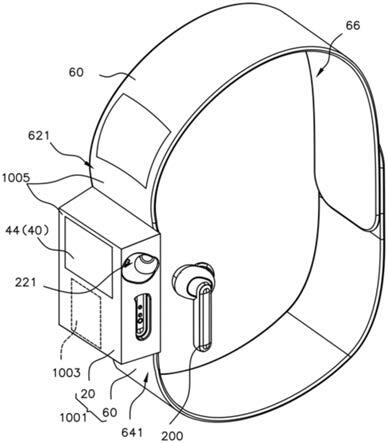
This utility model discloses a charging device integrated into smart wearable equipment like watches or wristbands. The main housing includes dedicated compartments for wireless earphones with internal charging contacts. Solar power generation units cover the surface of the housing and wearable straps to absorb ambient light. This energy is converted into electricity to charge the earphones directly or via an internal battery. The design allows users to carry and charge their earphones conveniently outdoors without needing external power sources, ensuring a continuous battery supply.
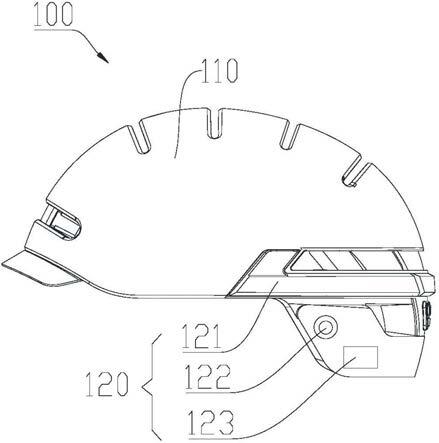
This utility model provides a smart head-mounted device, such as a cycling helmet, equipped with an automatic induction lighting system. It features light-emitting components controlled by a processor that interprets signals from various sensors. Sensors include ambient light sensors for automatic night lighting, sound collectors to sync lights with music, and acceleration/posture sensors to trigger brake lights or turn signals based on movement. Users can customize parameters like work periods and sensitivity thresholds via a mobile terminal. This system enhances visibility and safety through intelligent environmental interaction.
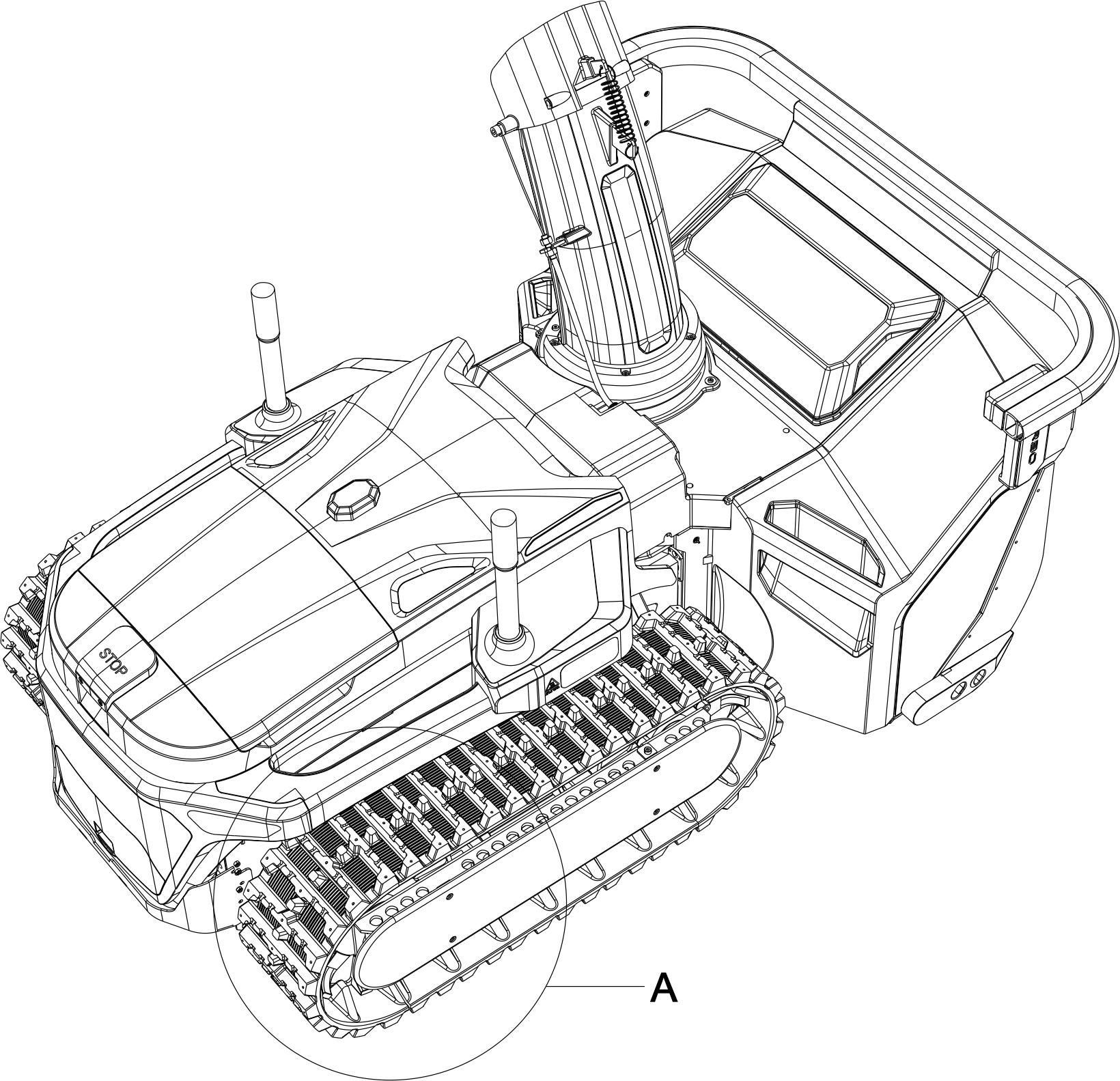
This design patent represents a snow thrower characterized by a compact and rugged industrial aesthetic. The device features a prominent discharge chute and a robust body design suitable for clearing snow in residential or commercial pathways. The visual arrangement emphasizes functionality and durability, with integrated handles and a clear structural layout that suggests ease of maneuverability in harsh winter conditions. The design conveys a sense of power and efficiency for outdoor maintenance tasks.
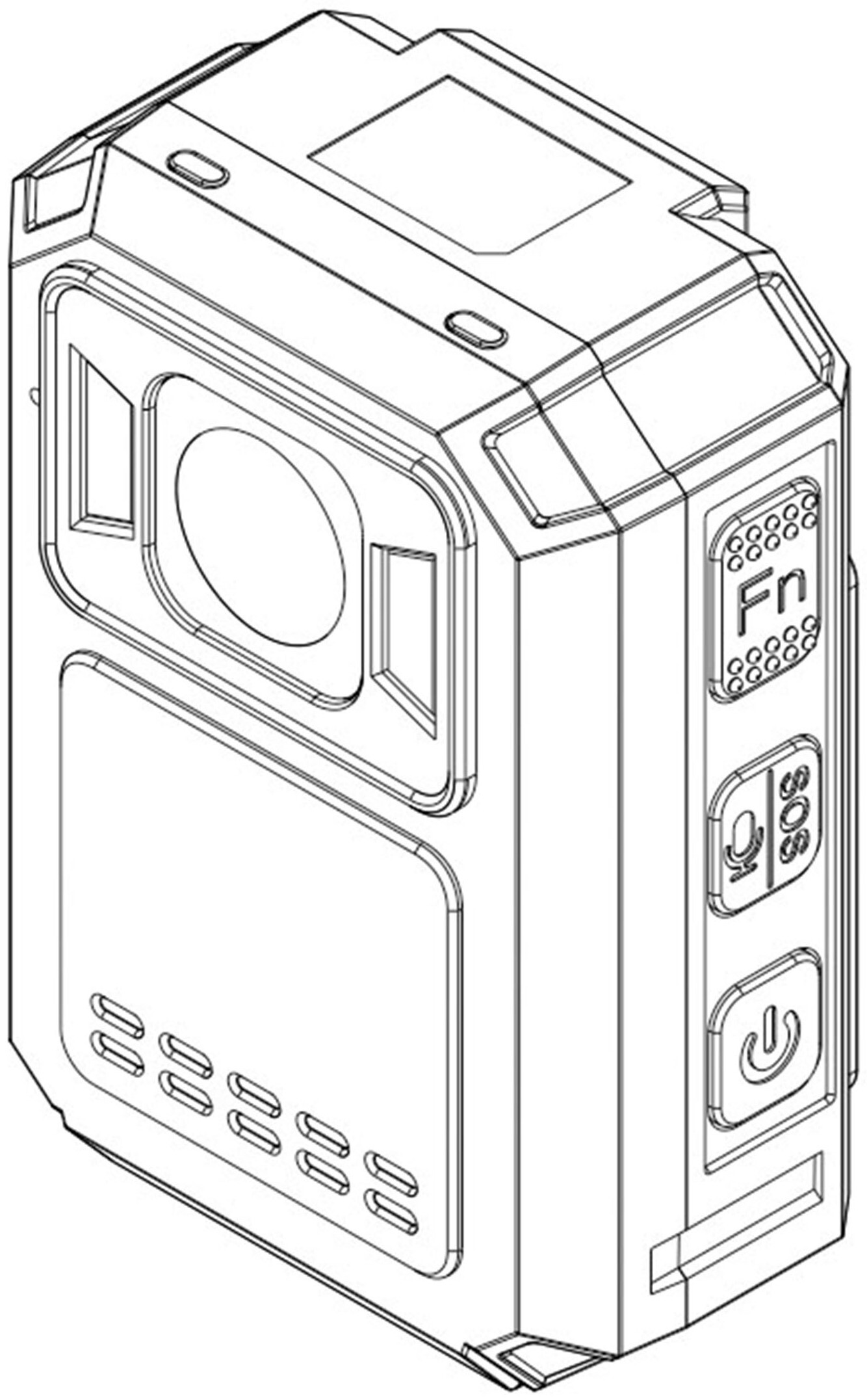
This design patent is for a body-worn camera primarily used for law enforcement and security recording. The design features a front-facing lens centered on a compact rectangular body, with physical buttons clearly labeled for easy tactile operation, including a dedicated function button. It includes a mounting clip on the back for secure attachment to uniforms and a protected USB interface for data transfer. The overall appearance is sleek and professional, conveying reliability and ease of use in demanding field operations.
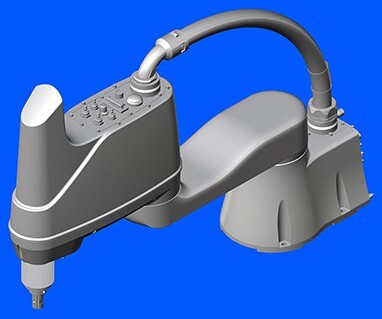
This design patent showcases an industrial robot, specifically a multi-axis articulated robotic arm. The design highlights a streamlined structure with multiple joints allowing for a wide range of motion. The base and each arm segment are designed with smooth contours and a minimalist finish, minimizing sharp edges for safety and aesthetics. This robot is intended for high-precision tasks in manufacturing environments, such as assembly or welding, where both space-saving dimensions and mechanical flexibility are prioritized.
This design patent features an emergency rescue and earthquake warning device for elevators. The design presents a compact, wall-mounted unit with a clean, functional interface. It is designed to be integrated into elevator cabins or machine rooms to facilitate automated rescue operations and alert passengers during seismic events. The exterior design is minimalist and industrial, ensuring it remains unobtrusive while being easily accessible for maintenance or emergency status display, fitting seamlessly into modern building infrastructures.
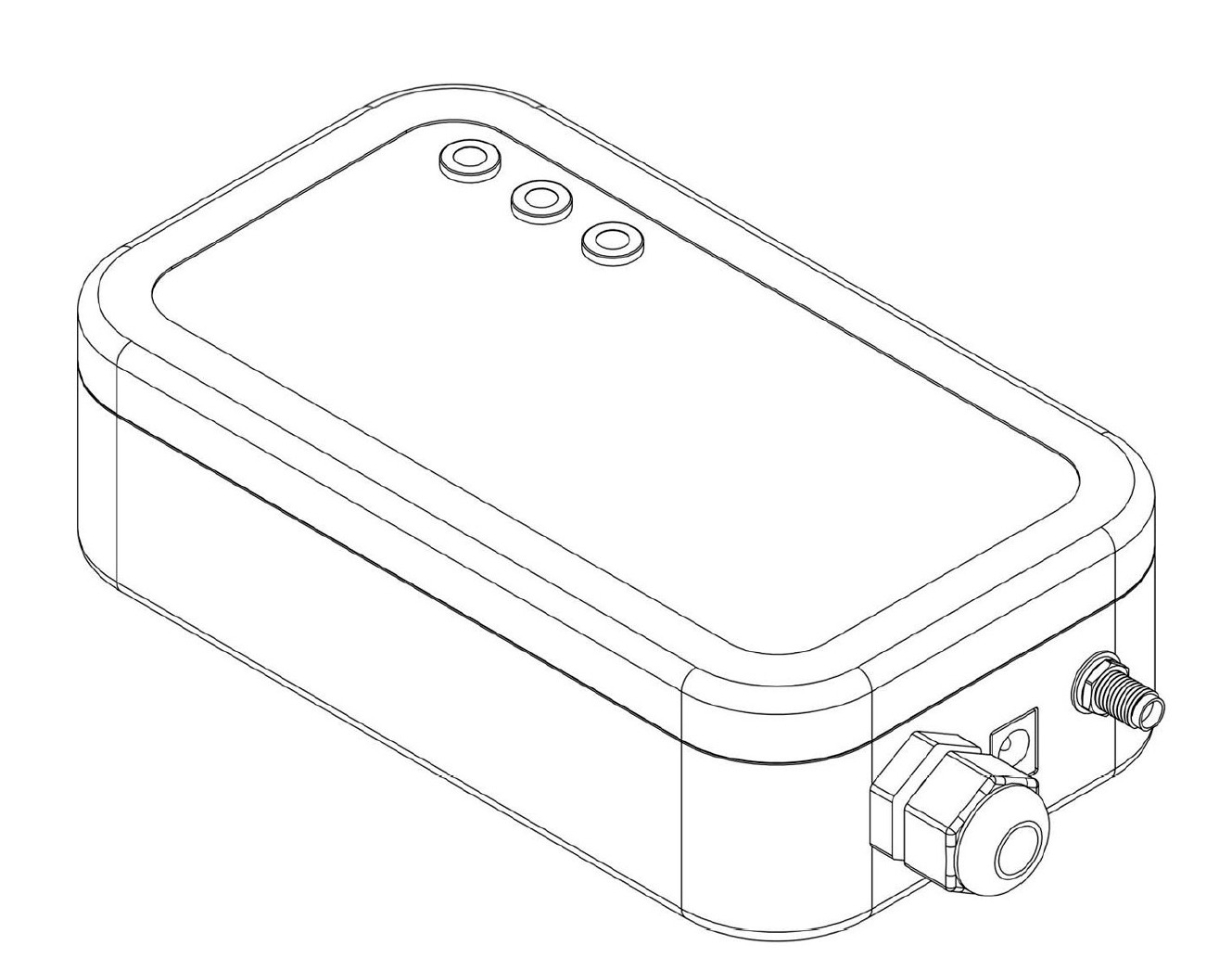
This design patent is for an electronic atomization device. The design emphasizes a slender, portable form factor with a refined surface finish and ergonomic curves for a comfortable grip. It features a integrated mouthpiece and a body with subtle visual accents that give it a high-tech consumer electronic look. The design is modern and discrete, appealing to users seeking a stylish yet functional device. The seamless exterior profile hides internal components while maintaining a premium aesthetic and tactile feel.
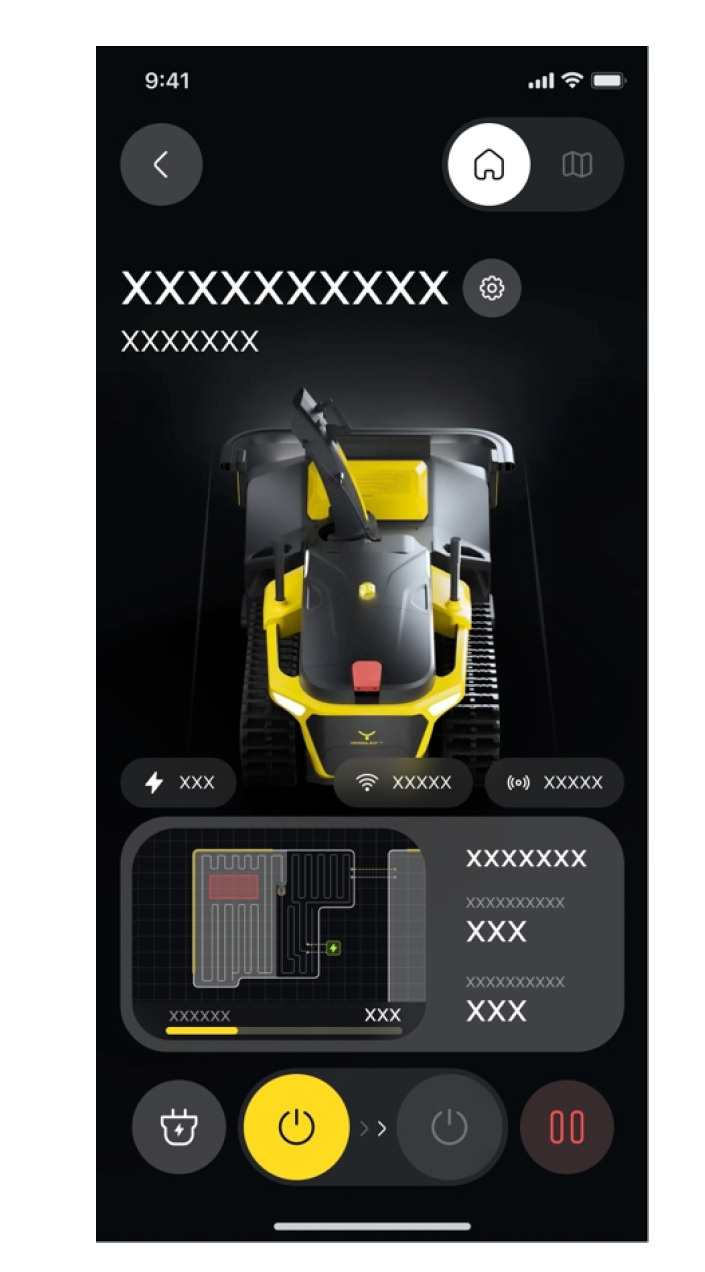
This design patent focuses on a Graphical User Interface (GUI) for displaying path planning on electronic devices, such as smartphone applications for robots. The interface features a map-based view showing real-time positioning and historical or planned movement paths across a defined workspace. The design uses intuitive icons, clear status indicators for battery and connectivity, and color-coded zones to help users monitor the robot's coverage. It is optimized to simplify the management of autonomous household or industrial equipment through a visual summary.
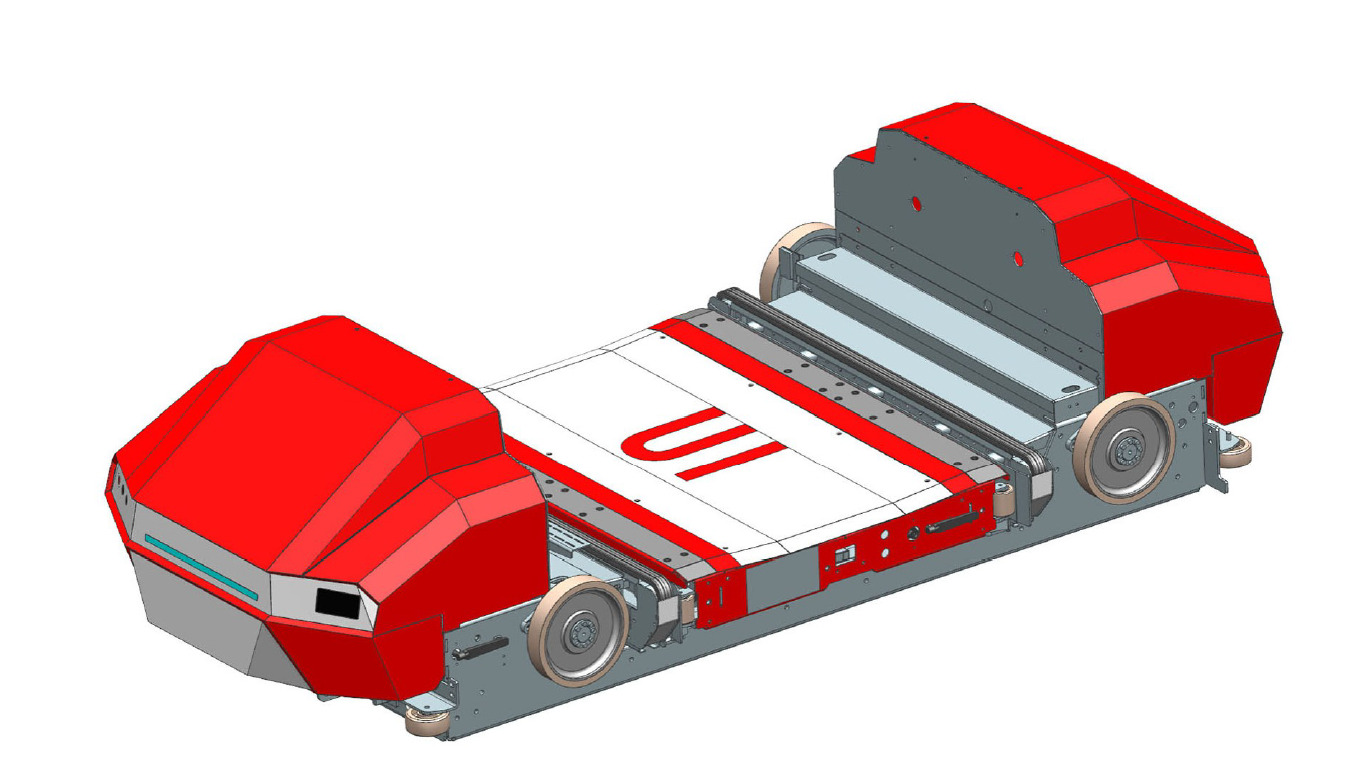
This design patent depicts a shuttle car used in automated storage and retrieval systems (ASRS) within modern warehouses. The design features a low-profile, rectangular chassis with integrated wheels and load-bearing surfaces. It includes sensors and status indicators on the front and rear panels for safe navigation. The robust yet streamlined construction allows it to navigate narrow racking aisles efficiently. Its appearance emphasizes the precision, stability, and high-speed movement required for heavy payload transport in highly automated logistics environments.
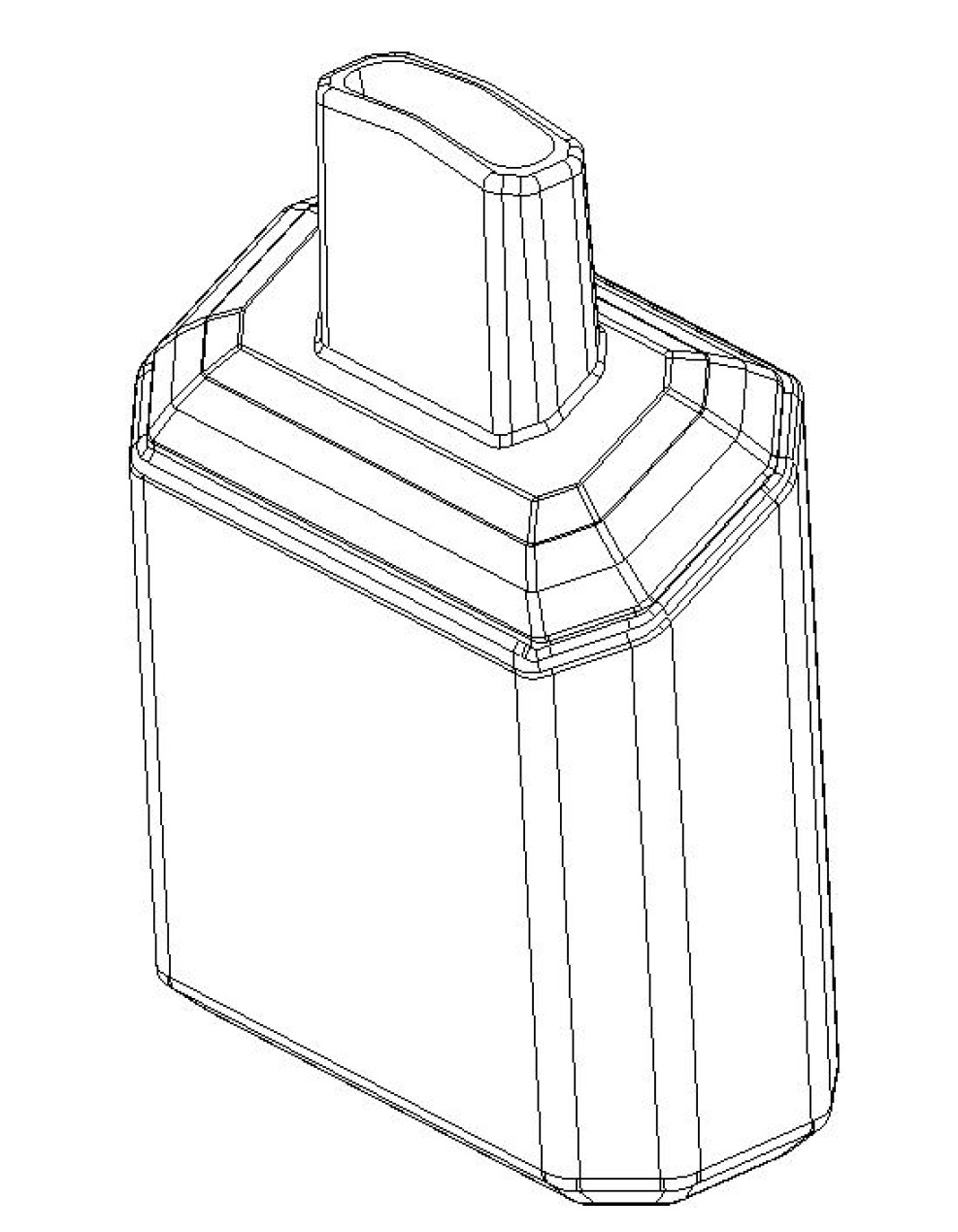
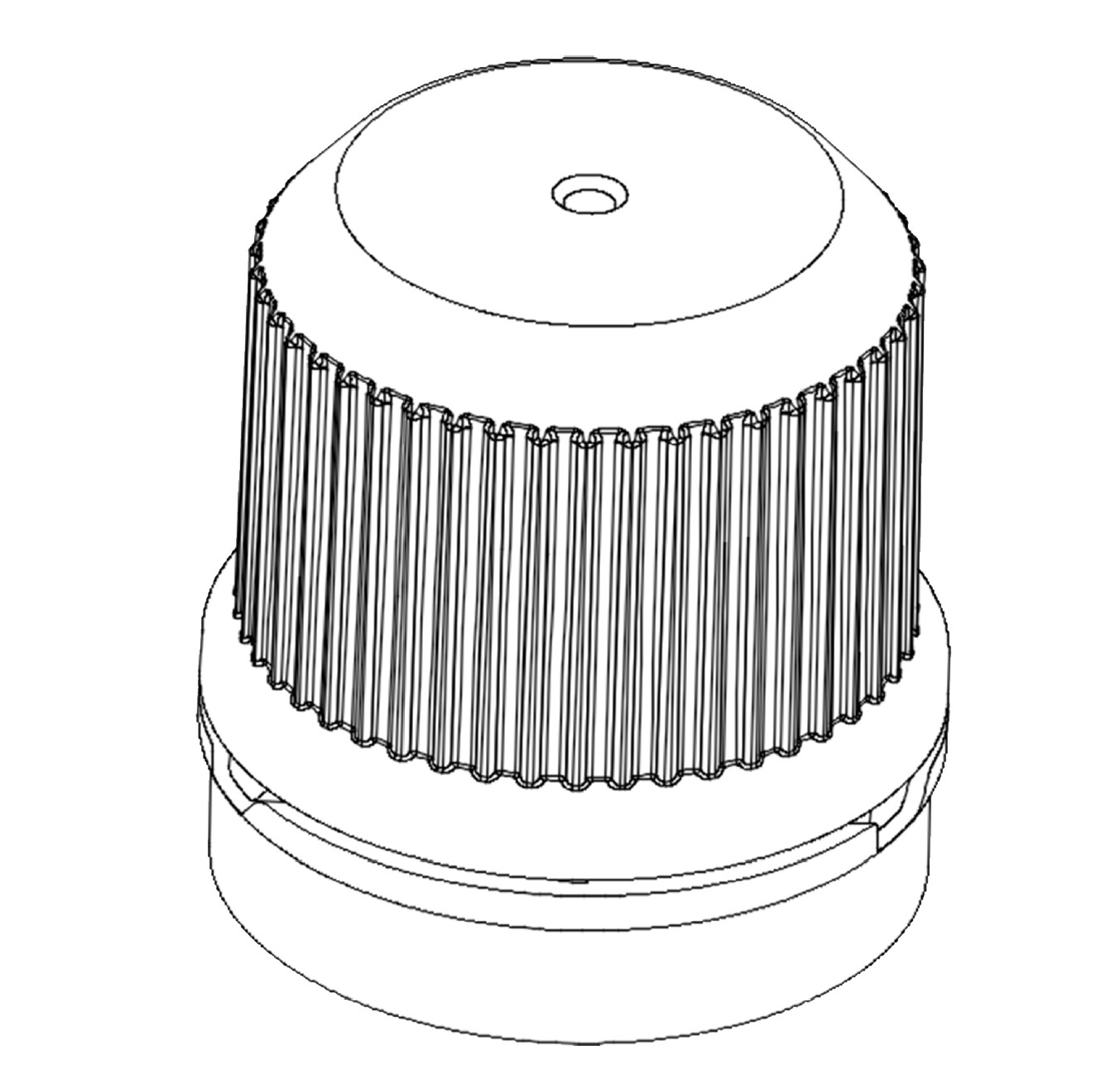
This design patent covers the aesthetic and functional design of a bottle cap. The cap features a multi-faceted or textured surface designed to improve grip and tactile feedback when opening. The top surface has a distinct circular indentation, while the sides include vertical ribbing for mechanical advantage. This design balances ergonomic requirements with a unique visual appeal, making it suitable for premium beverage or healthcare product packaging where brand identity and ease of access are critical for the user experience.
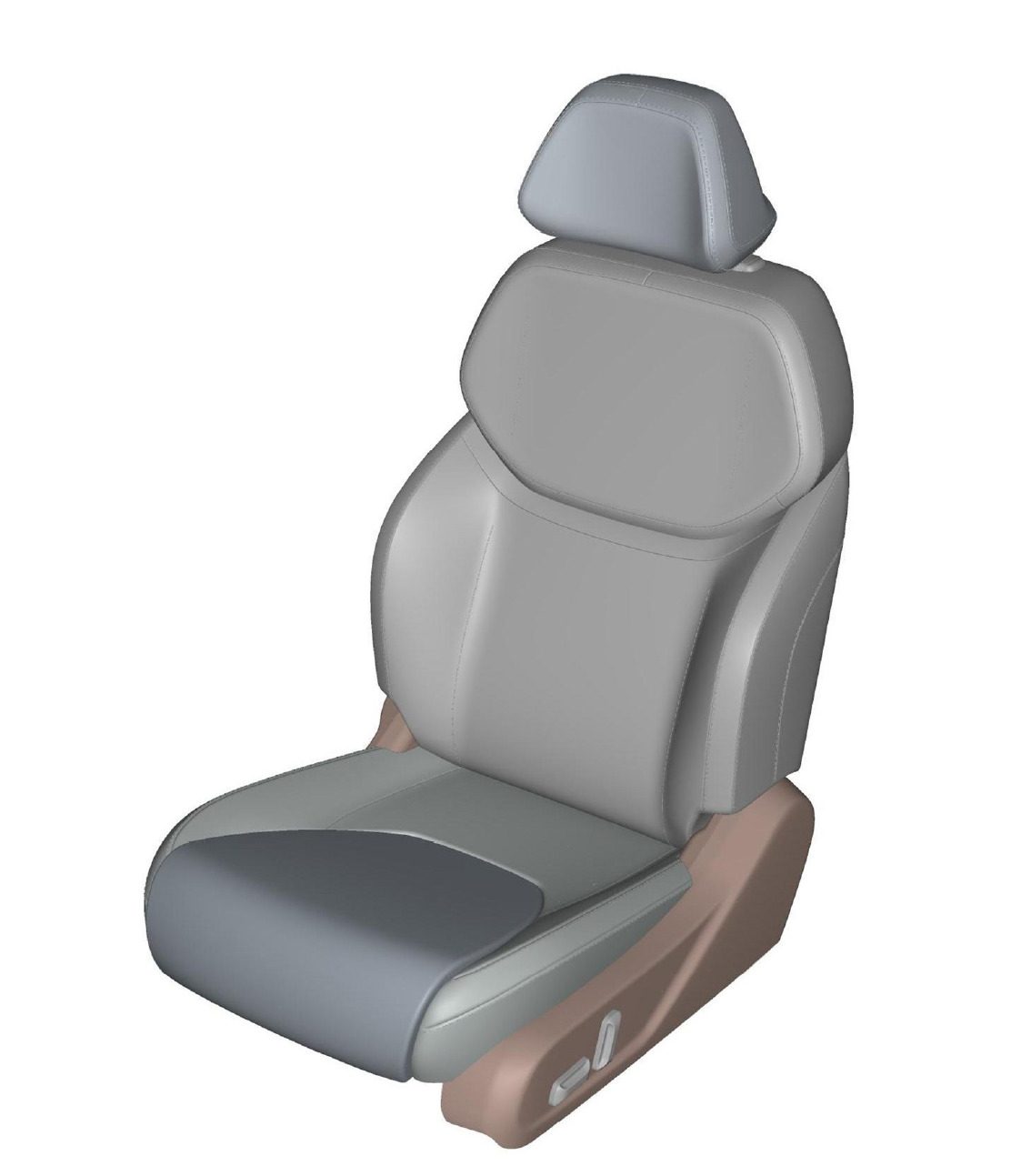
This design patent is for a front-row car seat, featuring a sporty, ergonomic silhouette with integrated headrests and pronounced side bolsters. The seat's surface exhibits complex stitching patterns and a mix of material textures, suggesting a luxury or performance-oriented interior. The sleek lines and contoured profile reflect modern automotive design trends, aiming to provide both physical comfort for long-distance travel and a high-tech aesthetic within the vehicle cabin, appealing to premium electric or sports vehicle segments.
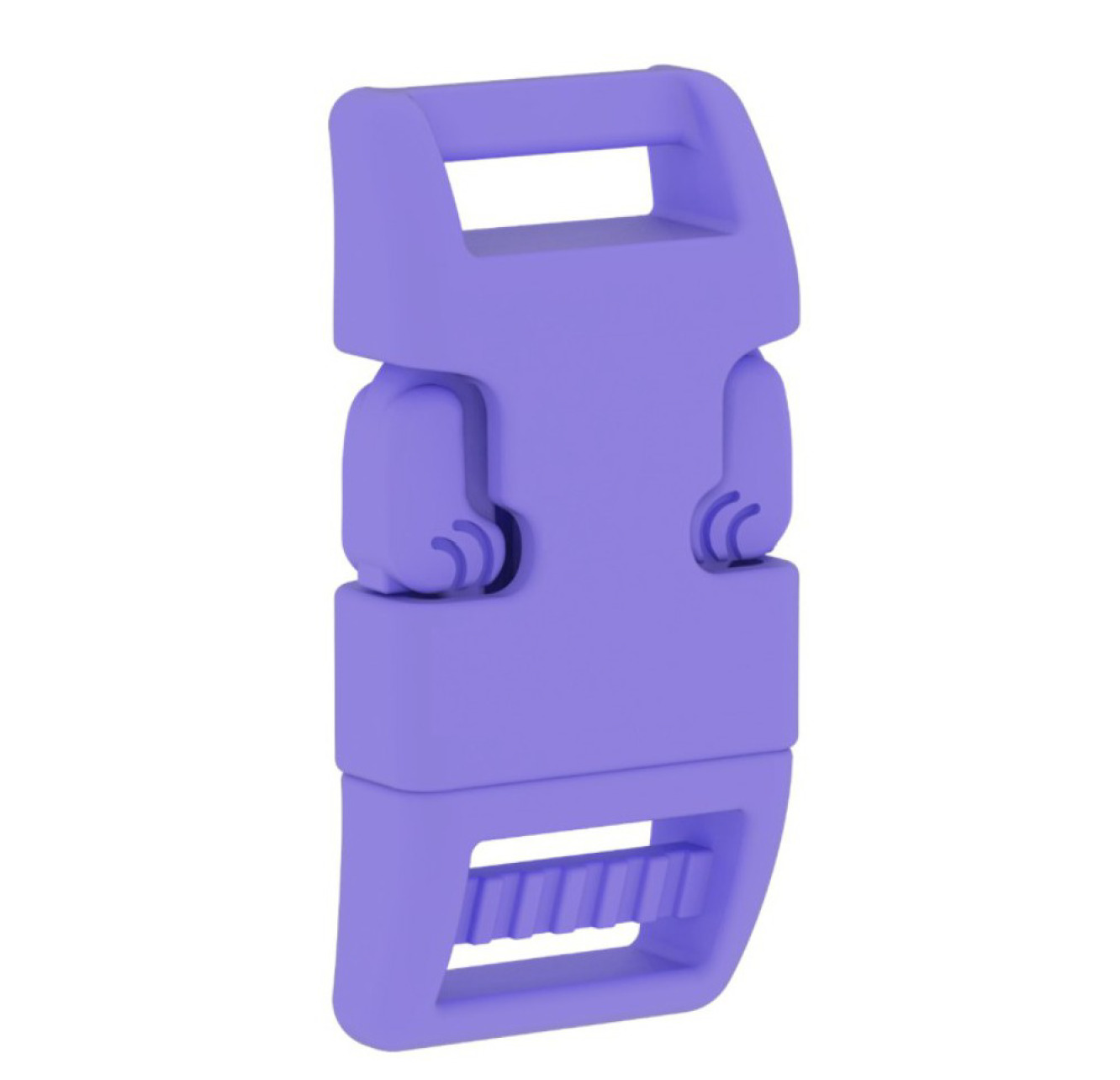
This design patent is for a side-release buckle, commonly used in straps, outdoor gear, or pet collars. The design features a curved, ergonomic profile that contours to the shape of the wearer, reducing potential irritation. It consists of interlocking male and female parts with a secure snap-locking mechanism and tactile release tabs. The visual design is modern and integrated, combining high-strength functional requirements with a sleek finish suitable for various consumer applications where reliability and ease of fastening are paramount.
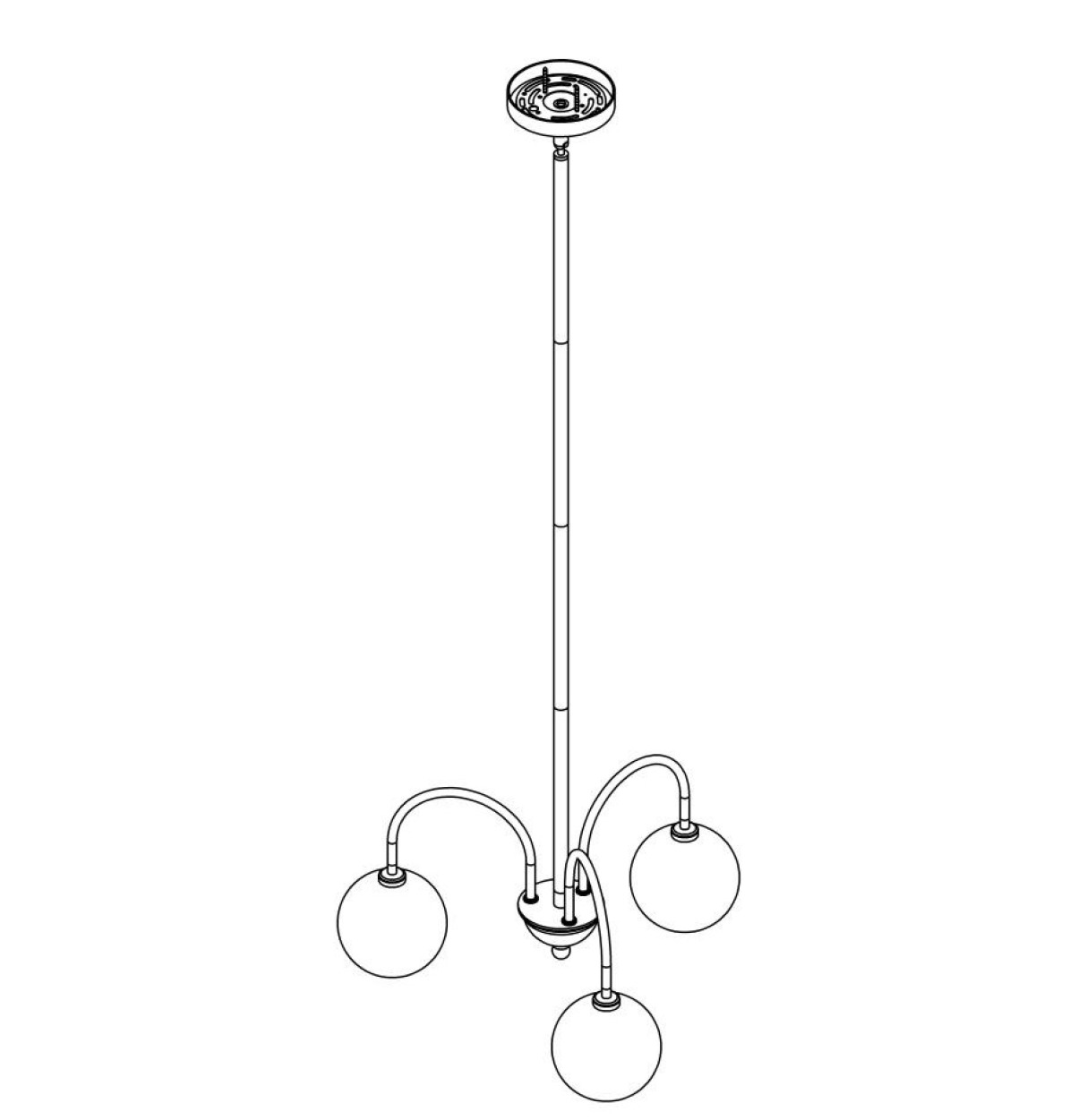
This design patent covers a pendant lamp (chandelier). The design features a central vertical rod that branches into three curved arms at the bottom. Each arm supports a spherical lampshade, creating a symmetrical and minimalist aesthetic. The fixture is intended for interior illumination, with its primary design innovation focused on the specific curvature of the arms and the balanced placement of the globes relative to the central support.
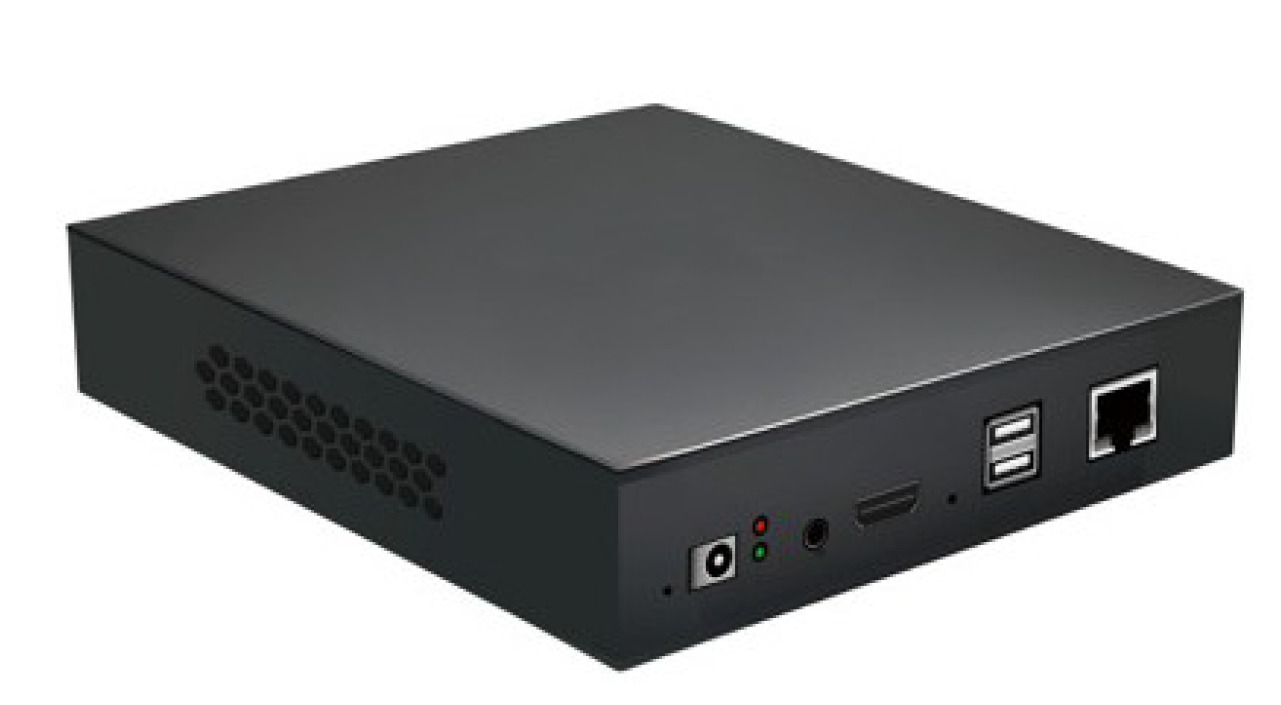
This design patent is for a voice transcription device used for voice information reception, speech recognition, voiceprint identification, and speaker separation. The device features a compact, rectangular form factor with integrated ports, including an Ethernet jack and USB interfaces on the rear panel. Its minimalist exterior is designed to house processing hardware capable of converting spoken language into text locally. The design emphasizes a functional and professional aesthetic suitable for office or meeting environments.
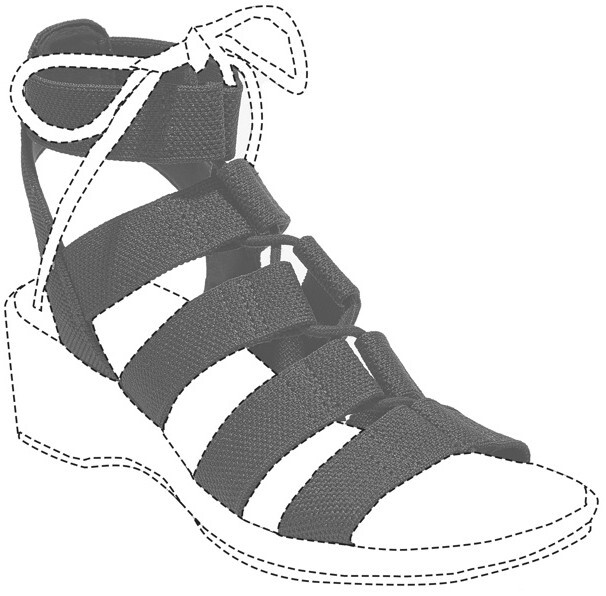
This patent covers the design for the main body (upper) of a shoe, specifically a strappy sandal style referred to as "HEIDI". The design features multiple thick, horizontal bands crossing the foot, connected by a vertical central strip, resembling a gladiator-style aesthetic. The upper part includes a lace-up mechanism that ties around the ankle. The patent seeks protection for the specific shape and arrangement of these straps, while the sole and certain background elements shown in dashed lines are excluded from the claimed protection.
Ready to Protect Your Innovation?
Join hundreds of innovators who trust us with their China patent filings.